The Ultimate Guide to Clothing Storage Shelves
Intro
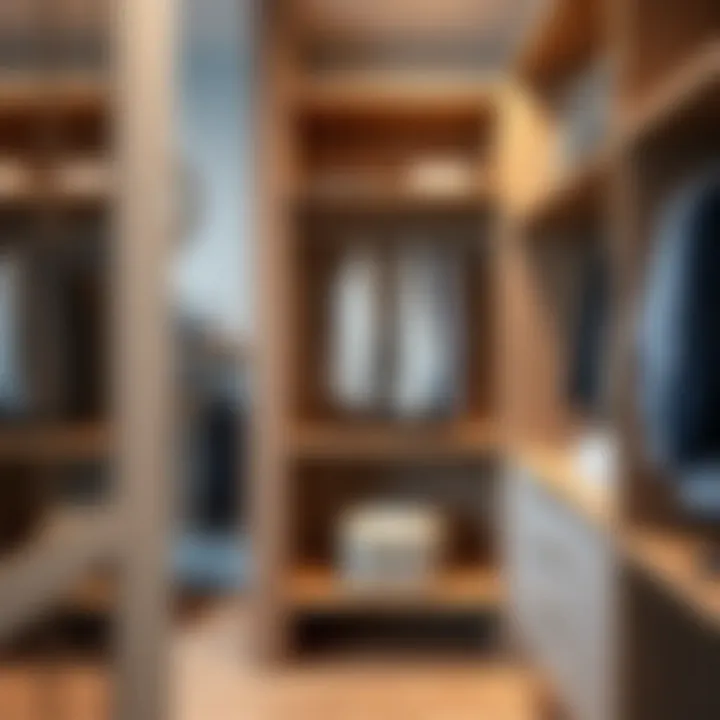
When it comes to organizing clothes, shelves often don’t get the star treatment. Yet, these handy structures can play a pivotal role in transforming any chaotic wardrobe into a well-ordered sanctuary. This guide digs into the details of clothing shelves, shedding light on design trends, materials, and how to select the right shelfing for your specific needs. The aim here is twofold: not only to help you maximize your storage space but also to polish the aesthetic of your home with functional elegance.
Design Trends
In an era where functionality and style go hand in hand, the design of clothing shelves has evolved stunningly. A few noteworthy trends are shaping the market today.
Current Trends in Furniture Styles
- Minimalism: Simple lines, muted colors, and a lack of clutter characterize this trend. Shelving units designed with clean edges and open spaces can bring an airy feel to your room.
- Industrial Touch: Think exposed metal and reclaimed wood. This type of design celebrates the raw elements of materials, allowing your shelves to serve not just as storage but also as statement pieces.
- Eco-Friendly Materials: As sustainability takes the front seat, homeowners are gravitating towards materials that are environmentally friendly. Bamboo, reclaimed wood, and recycled metals find themselves in modern designs.
- Multifunctionality: Shelves are no longer just for clothes. They double as display units or even integrate seating. This flexibility is particularly handy in smaller spaces where every square foot counts.
How to Incorporate Trends into Your Space
Integrating these trends can be both a fun and rewarding endeavor. Here’s how:
- Evaluate existing decor: Take a good look at what you have in your space. Determine which trend complements your overall theme.
- Mix materials: Feel free to combine different materials. A wooden shelf can look great alongside metal brackets or even a glass top.
- Custom solutions: Don’t hesitate to explore custom shelving solutions. Many retailers and craftspeople offer bespoke options that can fit your unique spaces.
- Go vertical: If floor space is tight, think about wall-mounted shelves to draw the eye upwards, creating a perception of height and space.
"In interior design, every piece has a role in telling your story. Shelves allow you to define that narrative through both function and style."
Buying Guides
Selecting the right shelving for your clothes is no simple feat; it requires a blend of aesthetic judgment and practical considerations. Here are some things to ponder:
Choosing the Right Furniture for Different Rooms
- Bedroom: For clothes, consider wider shelves with enough height to accommodate folded items and accessories. Drawers or bins can offer extra organization.
- Entryway: A tiered shelf unit can be excellent. Look for compartments to store bags and shoes efficiently.
- Laundry Room: Focus on durability. Open shelving is great for easy access to detergents and essentials, but ensure materials can withstand the environment's humidity.
Tips for Assessing Quality and Value
- Material matters: Solid woods and metal frames often outlast their particle board counterparts. Check for a sturdy build.
- Finishing touches: Look for smooth surfaces and well-finished edges to guarantee safety and familiarity when handling.
- Test stability: Ensure that the shelves can handle weight without wobbling. A good quality shelf should feel solid.
- Warranty: Brands that stand by their products often offer warranties. A little assurance goes a long way.
Closure
In understanding the nuances of clothing shelves, it's clear that these structures play a vital role not just in storage but also in elevating the overall feel of a home. By staying aligned with current design trends and making informed purchasing decisions, anyone can enhance their spaces effectively. Armed with the insights from this guide, the journey to an organized wardrobe becomes less daunting and more of a creative venture.
Understanding Shelves for Clothes
Shelving is oftentimes an overlooked aspect of wardrobe organization, but it can make or break the functionality of your space. Understanding shelves for clothes is crucial not only for practicality but also for enhancing the overall look of your room. With the right shelving solutions, you can showcase your style while keeping your clothing well-organized and easily accessible.
Importance of Clothing Shelving
The significance of clothing shelving comes into play when you consider how much time we spend picking out outfits. A cluttered space can lead to frustration, turning what should be a pleasant routine into a chore. Proper shelving allows for better visibility of your clothing selection, which means less digging through piles and more time enjoying what you wear. More importantly, it encourages the habit of keeping your garments neatly arranged. In short, effective clothing shelving is about combining utility with personal expression.
Different Types of Clothing Shelves
When diving into the world of clothing shelves, it’s vital to recognize that they come in various forms, each suited to different needs and spaces.
- Wall-mounted Shelves: These shelves beautifully utilize vertical space. They can hold just about anything—decorative items, shoes, or folded clothes—while creating a sleek look. A key characteristic of wall-mounted shelves is their ability to preserve floor space, making them a popular choice in smaller areas. One unique feature is that they often offer a customizable size, which means you can fit them anywhere, from above a dresser to the end of a hallway. However, if not secured well, they could potentially pose issues with stability.
- Freestanding Shelves: These are versatile giants in the shelving landscape. They can be moved around, making them perfect for those who enjoy rearranging their spaces regularly. Freestanding shelves usually come with multiple tiers, allowing for various configurations. A prominent benefit is that they require no installation, appealing to renters or individuals who may not want to commit to wall fixtures. That said, their footprint can take up valuable floor space, which is something to bear in mind when planning your layout.
- Adjustable Shelving Units: Flexibility is the name of the game with adjustable shelving units. The ability to modify height and spacing means they can adapt as your clothing collection evolves. This adaptability is beneficial for storing different types of garments, from long coats to shorter items, without compromising organization. The tradeoff here may be a more complex setup; adjustments might require tools and know-how, which can be a hurdle for some.
Each type of shelf comes with its own set of features, advantages, and considerations, thus emphasizing the need to select thoughtfully based on your specific storage requirements and aesthetic preferences.
Design Principles for Clothing Shelving
When it comes to organizing clothing, the design of shelving plays a critical role in not just storing garments but also enhancing the overall aesthetic of a space. A well-designed shelving system combines both practical functions with visual appeal, ensuring that your wardrobe or storage area is not only useful but also inviting. The right design principles can transform a cluttered space into an orderly and stylish showcase for clothing.
One important aspect of design principles is understanding how aesthetic considerations intertwine with functionality. Every angle of a shelving unit affects the user's experience, from visibility to accessibility. Thoughtful design enables clothes to be easily seen and reached, facilitating an efficient dressing routine. Moreover, incorporating elements of visual appeal can make even the most mundane of tasks enjoyable, contributing to a positive atmosphere within your space.
Aesthetics and Functionality in Design
Achieving a balance of aesthetics and functionality isn't just a matter of throwing together some wood, nails, or metal brackets. It requires an understanding of color, texture, and style, which blend harmoniously with the room's decor.
For instance, if you choose wooden shelving, consider the type of finish. A rich mahogany can lend a touch of sophistication, while light oak might bring a more casual, airy feeling. Metal shelves, on the other hand, can create a sleek, modern look, suitable for an industrial or contemporary space.
The shelving design should also reflect the lifestyles of those using it. Families with children might require lower shelves for easy access, while someone who values a minimalist aesthetic may opt for hidden storage solutions that blend with the walls. Flexibility is a major factor here—adjustable shelves accommodate changes in wardrobe styles and sizes, allowing for both form and function.
"Consider not only what you need now but also what you may want in the future when selecting your shelving design."
Space Considerations
Assessing available space is pivotal when planning your clothing shelves. The layout of your room, including things like windows and door placements, create natural boundaries and influence how shelving should be arranged. Moreover, understanding the scale of your furniture relative to wall space is key. Too large a shelf in a small room can overwhelm while a tiny unit in a larger area might seem to get lost.
It's also essential to think vertically. Utilizing wall space can enhance storage capabilities without encroaching on floor space. Floating shelves, for instance, can provide a clean look while offering storage right where you need it. There’s also the consideration of depth—shallower shelves can limit what you can store but may work better in tighter areas. On the other hand, deeper shelving units can hold bulkier items but could take away from floor space.
In sum, thoughtful design principles blend functionality with visual harmony, tailored to meet the specific needs of your space. It's not merely about throwing shelves up on the wall; it's about creating a cohesive look that serves practical storage needs while elevating the room's overall design.
Materials Used in Clothing Shelves
When it comes to selecting shelving for clothing storage, the material used can make a significant impact on both aesthetics and functionality. The choice of materials not only influences the durability and maintenance needed but also sets the tone for the overall design of your space. Understanding the characteristics of different materials can guide you in making a decision that aligns with your style, budget, and storage goals.
Wood Shelving
Types of Wood
Wood shelving is often revered for its classic appeal and robust nature. There are several types of wood commonly used for shelving, including oak, pine, and maple. Oak, with its rich grain and strength, stands out as a durable option that can handle the weight of heavier clothing. Pine is a more economical choice, offering a lighter look and warmth that suits casual settings; however, it may not hold up as well under heavy use. Maple, on the other hand, balances beauty and durability, making it popular for those aiming for an elegant appearance without sacrificing strength.
The versatility of wood allows it to be stained or painted, enabling you to customize it further to match your decor. This flexibility makes wood an appealing choice for those who desire both functionality and aesthetics in their clothing shelving.
Maintenance and Durability
When discussing maintenance and durability in wood shelving, it's crucial to note that while wood can be durable, different types necessitate varying levels of care. Regular dusting and occasional polishing can keep wood shelves looking pristine. However, they are susceptible to scratches and dents, particularly in high-traffic areas. Additionally, humidity can warp wood over time unless it is properly sealed.
An advantage of wood shelving is the potential for refinishing—should it acquire wear and tear, a good sanding and varnishing can extend its life significantly. Thus, choosing the right type of wood and ensuring proper care can result in long-lasting and visually appealing shelves in your clothing storage area.
Metal Shelving
Benefits and Drawbacks
Metal shelving has gained popularity due to its minimalist aesthetics and impressive strength. One of its most significant benefits lies in its ability to withstand a considerable amount of weight without bowing. This makes it ideal for heavier clothing items, such as winter coats or dense fabrics.
However, metal shelves can also have drawbacks. They are generally colder in appearance and may not integrate as readily into more traditional or warm settings without thoughtful design. Additionally, unless properly treated, metal can be prone to rust, especially in humid environments, which could be a concern in rooms that lack ventilation.
The unique feature of metal is its versatility in style; available in various finishes, metals can seamlessly fit into a modern aesthetic or even add an industrial edge to your decor. Consideration of the room's overall design is crucial in making the best choice.
Finish Options
Finish options for metal shelving can significantly influence both durability and appearance. Common finishes include powder coating, chrome plating, and enamel. Powder coating, for instance, provides a robust layer that protects against scratches and rust while offering a variety of colors. Chrome plating, while looking sleek and modern, may require more maintenance to keep its shine and avoid tarnishing.
Choosing the right finish not only serves a protective function but can also enhance the overall style of the shelving. A well-selected finish can either complement or contrast existing decor, making it an essential consideration in any design decision.
Plastic and Composite Materials
Cost-Effectiveness
Plastic and composite materials offer perhaps the most budget-friendly option for clothing shelving. They are generally lightweight, easy to assemble, and can be produced in a variety of colors and styles—making them customizable and attractive for a younger audience or those with an eye for practical solutions.
However, potential downsides include lower durability compared to wood and metal options. Prolonged exposure to heavy items or extreme temperatures could lead to warping or breaking. That said, the low cost associated with plastic shelving often outweighs these concerns for many homeowners, especially in temporary setups or nurseries where function comes before form.
Environmental Considerations
One of the essential aspects of using plastic and composite materials is the growing awareness of environmental impact. While plastic is generally not biodegradable, some composite materials are made from recycled contents, contributing to reduced waste. Furthermore, advancements are being made in producing eco-conscious plastics that help alleviate environmental concerns.
Choosing sustainable options within this category can support environmentally friendly practices, allowing consumers to feel good about their choices in both storage and environmental stewardship. Therefore, knowing what materials contribute positively to the environment can add significant value to your shelving selections.
"A well thought out shelving system isn’t just practical; it can elevate the entire space, making it both functional and beautiful."
Organizational Strategies for Clothing Shelves
When it comes to organizing your clothes, having a well-thought-out strategy can make all the difference. The right shelving organization doesn't just declutter your space; it transforms your entire wardrobe into a functional haven. Whether you’re a homeowner looking to maximize your closet or a designer aiming to create an enticing retail display, understanding organizational strategies can elevate both aesthetics and usability.


Efficient Layout Planning
Planning a layout is crucial in setting the stage for effective organization. Avoid the common trap of cramming everything in without a strategy. Instead, consider the flow of movement within the space and how you access your clothing.
Here are some practical pointers to guide your layout planning:
- Height and Accessibility: Store frequently worn items at eye level. Make sure seasonal clothes or seldom used pieces are placed higher or deeper in the shelves.
- Dividing Sections: Create specific areas for different types of clothing. For instance, allocate sections for shirts, pants, and outerwear. This not only makes finding items easier but also allows for quicker decision-making on what to wear.
- Visibility Importance: Make sure everything is visible at a glance. Use lighter colors and clear containers to avoid a dark and chaotic appearance. Your eyes should naturally gravitate towards your clothing without effort.
By focusing on these elements, you’ll create a shelving layout that keeps your clothes organized and easy to access, which can truly save you time and stress in your daily routine.
Incorporating Boxes and Baskets
Shelving is not solely about the shelves themselves. Adding containers like boxes and baskets can heighten both organization and style. Boxes can transform a cluttered shelf into an organized oasis.
Consider these benefits of using boxes and baskets:
- Enhanced Organization: Use boxes for items like belts and ties that can easily tangle. Baskets work great for smaller items like socks and accessories.
- Aesthetic Appeal: Baskets add texture and personality to your shelves. Opt for woven designs or patterned containers that echo the room’s decor.
- Space Savers: They’re perfect for utilizing vertical space. Stack them neatly or place them on high shelves where space is less accessible.
When choosing boxes and baskets, think about the materials and styles that resonate with your space. Remember, it’s not just functional; it’s about sprucing up the overall look as well.
Multi-Functional Use of Shelves
Shelves can do more than just hold clothes; they can serve various purposes if designed with ingenuity in mind. Don’t shy away from letting your shelves wear multiple hats:
- Display Area: Use a shelf to showcase not just clothes but also favorite accessories or decorative items like framed photos or plants. This can turn your shelf into a curated display.
- Workspace Integration: If you’re tight on space, turning a clothes shelf into a small workstation can be an excellent way to maximize functionality. Place an attractive organizer for stationery or books that correspond to your clothing aesthetic.
- Flexible Use: Be open to rearranging your shelves as your storage needs change. If you acquire more clothes or even seasonal changes come into play, being adaptable can mean the difference between chaos and efficiency.
Maintaining Clothing Shelves
Maintaining clothing shelves is a crucial aspect that often gets overlooked amid the excitement of organizing and styling. Just as a keen gardener tends to each plant to ensure a vibrant garden, so too must one care for their shelving systems in order to promote longevity and maintain their appearance. The benefits of a well-maintained shelf system extend beyond mere aesthetics; they positively impact the overall organization and functionality of your space, helping to extend the lifespan of your clothes and accessories stored within.
Regular maintenance ensures that your shelving remains sturdy and visually appealing. It’s vital for you to assess the condition of your shelves and intervene at the first sign of wear. Over time, dust can accumulate and materials can weaken, potentially leading to structural failure of what should be a dependable unit.
Cleaning and Upkeep
Cleaning clothing shelves should be a routine activity, aimed at preserving both the integrity of the material and the items stored. Regular dusting, using a soft cloth, can help reduce allergens and keep surfaces sparkling. When selecting a cleaning agent, always opt for something that’s compatible with your shelf materials. For instance, wood shelves benefit from a gentle cleaner that won’t strip away their finish, while metal shelves can hold up to more robust cleaning methods.
- Helpful Tips for Cleaning:
- Use a damp microfiber cloth for wood.
- For metal shelves, a mixture of vinegar and water can shine them up nicely.
- Avoid harsh chemicals that can leave residue or damage finishes.
Pro Tip: Schedule a cleaning routine—whether bi-weekly or monthly—so it becomes a part of your home maintenance. This will not only keep your shelves looking pristine but will also make it easier to spot any potential issues early.
Regular Inspections and Adjustments
It's all well and good having beautiful shelves, but over time they might settle or shift, and that's when the importance of regular inspections comes in. This isn't merely about aesthetics; it’s about being proactive in avoiding potential damage or safety hazards.
- Look for signs of wear:
- Cracks or splits in wooden shelves.
- Rust or corrosion on metal components.
- Any shifting that might indicate a lack of stability.
Completing these quick checks can save you time and money before more significant problems arise, such as a shelf collapsing under the weight of clothing. Additionally, adjustments can include reinforcing brackets or tightening screws, ensuring that your shelves stay level and secure.
In the end, maintaining clothing shelves isn’t just a chore; it’s about creating a space that is both visually pleasing and functionally sound. Take pride in the upkeep of your shelves, and they will serve you well for years to come.
Remember: A little effort goes a long way in maintaining both the style and the function of your shelving.
Choosing the Right Shelves for Your Space
Selecting the right shelving system for your clothing storage can make or break the overall function and aesthetic of your closet or room. This section emphasizes the delicate balance between personal needs, design preferences, and practical considerations when picking shelves. A well-chosen shelf not only clears up clutter but also contributes to a room's charm. It’s about more than just slapping a few boards on the wall; it’s about creating an environment that works for you, enhancing your space and allowing you to utilize it to its fullest potential.
Assessing Your Storage Needs
Before diving into the sea of options, take a moment to reflect on what your real storage requirements are. Think of your wardrobe as a puzzle with different pieces—hanging suits, folded shirts, shoes, and accessories—each needing its own niche.


- Inventory Your Clothes: Make a list of what types of clothing you'll store. This ensures that your shelving accommodates each item appropriately.
- Consider Accessibility: Are you searching for daily wear or occasionally used items? Easy access to commonly worn clothes can be a game changer.
- Space Availability: Measure your space where shelves will reside. A clever use of vertical space can maximize storage without encroaching on the room.
Understanding these factors lays the groundwork for not just smart shelving solutions but also a functional space that flows with your lifestyle.
Evaluating Style and Design Compatibility
Next, married to your storage needs is the question of style and design compatibility. The shelf's design should not clash, but rather complement, the rest of the room's decor. Here are some things to mull over:
- Color Palette: Ensure that the color of the shelves aligns with the overall tone of your space. It can be a striking contrast or a subtle blend—whichever suits your taste.
- Material and Texture: Are you inclined towards wood for a warm touch, or maybe a sleek metal for a contemporary vibe? The texture plays a big role in the room's appeal.
- Shape and Structure: Whether you go for geometric designs or more traditional forms, think about how the shelf shapes interact with the rest of your furniture.
Ultimately, this section is about weaving your storage into the very fabric of your space, making it seamless while allowing it to perform magnificently.
Budget and Quality Considerations
Now, let's broach the subject of budget—a crucial element often overshadowed by aesthetics and functionality. It’s vital to weigh what you’re willing to spend against the quality of the shelving you wish to acquire:
- Setting a Budget: Know your price range upfront to prevent overspending. Shelving solutions can range from budget-friendly options to high-end designer collections.
- Assessing Quality: Investing in quality materials may cost more initially, but it often translates into durability and longer lifespan. Solid wood or high-grade metal can withstand daily use much better than their cheaper counterparts.
- Long-Term Value: Think beyond the immediate costs. Spending a bit more on quality shelves can enhance their longevity and ultimately save money in repairs or replacements.
"Investing in proper shelving can be the difference between a cluttered nightmare and an organized dream space."
By combining all these factors—understanding your storage needs, aligning with your style, and sticking to a budget—you can make informed decisions that yield lasting satisfaction in your clothing storage. When all said and done, the right shelves have the potential to elevate not just your space but your overall organization game, turning what once was chaos into a structured paradise.
Innovative Shelving Solutions
In today's fast-paced world, the quest for space efficiency has led to a myriad of innovative shelving solutions for clothing. These solutions not only cater to the functional aspects of storage but also contribute to the overall design aesthetics of a room. An innovative approach to shelving can transform a cluttered corner into a stylish and organized sanctuary. Let's dive deeper into two specific innovations: hidden shelving ideas and wall art shelving.
Hidden Shelving Ideas
If you're looking to maximize your space without sacrificing style, hidden shelving can be a game changer. These clever solutions can make clothing storage almost disappear into the background, allowing for a minimalist look that still works hard behind the scenes. Here are a few notable options:
- Concealed Cabinets: These can blend seamlessly into your walls or furniture, giving the illusion of open space. When you open them, however, you're met with neatly organized garments.
- Pull-out Shelves: Think about incorporating shelves that slide out like drawers. They let you access your clothing easily while keeping them concealed when not in use.
- Recessed Shelves: Built directly into the wall, these shelves use space that would otherwise be overlooked. They keep your clothes accessible but out of sight, allowing for an uncluttered aesthetic.
Utilizing hidden shelving ideas not only helps your space feel larger but also allows your clothing collection to remain organized and accessible.
"Innovative storage solutions like hidden shelving push the envelope of design while preserving functionality."
Wall Art Shelving
Wall art shelving is where practicality meets creativity. It allows you to showcase your clothing or accessories as part of your interior decor. This type of shelving takes creativity to new heights, so let's explore the options:
- Decorative Ladder Shelves: Using a ladder shelf design, you can hang garments or accessories that double up as art. These allow vertical use of space and add a unique charm to your room.
- Floating Shelves: Simple yet effective, these shelves can hold folded clothes or even display decorative boxes for storage. With the right arrangement, they can also frame a favorite piece of artwork or a vibrant clothing item.
- Artistic Racks: Consider clothes racks that have sculptural designs. They not only store clothing but can also serve as conversation starters that complement other furnishings in the room.
Incorporating wall art into your shelving solutions can redefine your home’s aesthetic while making efficient use of storage for your clothes. This clever blend of art and function creates a visual narrative that enhances the overall appeal of your space.
The End
Innovative shelving solutions, such as hidden shelving and wall art shelving, present excellent opportunities for homeowners and designers to maximize both functionality and style. By thinking outside the box, you can create beautiful spaces that reflect individual tastes while keeping clothing organized and easily accessible. Embracing these concepts invites you into a realm where storage and design work together in harmony.
Trends in Clothing Shelves
In today’s ever-evolving world of interior design and practical home solutions, trends in clothing shelving are not merely fads but essential considerations for creating effective storage spaces. These trends reflect a shift towards maximizing both functionality and aesthetics, allowing homeowners to express their style while maintaining organization in areas often overlooked. As you navigate your storage options, understanding the current trends can offer insights that lead to more informed decisions and, ultimately, a more harmonious living environment.
Sustainable and Eco-Friendly Options
As environmental concerns gain momentum, sustainable and eco-friendly shelving solutions have captured the attention of many homeowners. Manufacturers are now prioritizing materials that not only reduce environmental impact but also ensure longevity. Think along the lines of reclaimed wood, bamboo, and recycled metals. These materials are not just kinder to the planet, but they also add a unique character to your space.
Choosing sustainable options can lend a certain warmth and authenticity to clothing shelving. For instance, reclaimed wood shelves bring the charm of history into your wardrobe, offering an unmatched aesthetic appeal along with strong durability. On the flipside, bamboo, known for its rapid growth and regenerative properties, provides a chic and contemporary look without the heavy carbon footprint.
"Incorporating sustainable materials into your shelving design can reduce your carbon footprint significantly while enhancing the beauty and uniqueness of the space."
However, while these materials are often viewed as more environmentally friendly, it’s important to ensure that they come from reputable sources. Certifications such as FSC (Forest Stewardship Council) can guide you in making choices that align with your values. Not only do eco-friendly shelves help protect the planet, but they also tend to be conversation pieces in your home, which might earn you a few nods of approval during family gatherings.
Minimalist Designs
Minimalism has gained traction as a lifestyle choice, promoting simplicity and eliminating excess from our surroundings. In the realm of clothing shelves, minimalist designs focus on sleek lines, open spaces, and the absence of clutter, which reflects a desire for calm and order. These shelves are often designed with a “less is more” philosophy, allowing each piece of clothing or accessory to stand out rather than getting lost in a chaotic arrangement.
This approach can manifest in various ways, from floating shelves that create an illusion of more space to modular systems that adapt to any room size. The beauty of minimalist designs lies in their versatility; they can seamlessly blend into different decor styles, from contemporary to rustic. Furthermore, using neutral colors or natural finishes helps maintain a sense of tranquility in your wardrobe.
Consider this: When you have fewer, but more thoughtfully selected items on display, it not only simplifies choosing what to wear but also encourages a more intentional approach to shopping. This shift towards minimalism can ultimately lead to a more organized and visually appealing space.
To sum it up, trending clothing shelving solutions, whether they embrace eco-friendliness or minimalism, signify a conscious move towards greater awareness in design choices. Paying attention to these trends can transform your storage areas from mere functional necessities to stylish and mindful parts of your home.