
The Elegance of Porcelain Serving Sets: A Complete Guide
Intro
Porcelain serving sets are not merely functional dishware; they reflect a rich tapestry of culture and artistry. With their delicate strength and intricate designs, these wares have historically served as a canvas for creativity. In this guide, we will explore their historical significance, the unique material qualities that set them apart from other serving dishes, and how they can enhance both modern dining and home décor.
The allure of porcelain is interwoven with its capacity to elevate even the simplest meals. Whether it's a sumptuous feast during the holidays or an intimate gathering with friends, the aesthetics of porcelain can transform the atmosphere of any dining experience. But let's not forget the practical aspects—proper care can keep these elegant sets looking pristine for generations.
As we meander through the various design trends, we will consider how contemporary styles can blend seamlessly with traditional aesthetics, catering to a diverse range of tastes. We will also provide practical buying guides, offering insights into selecting the right serving set for any occasion, and the quality parameters that discerning buyers should keep in mind.
In essence, our exploration aims to enlighten homeowners, designers, and enthusiasts alike, furnishing them with the knowledge to appreciate the beauty and utility of porcelain serving sets while ultimately enhancing their environments—both functionally and artistically.
Understanding Porcelain: A Brief Overview
Porcelain, a craftsmanship that has been revered for centuries, stands out not only for its aesthetic appeal but also for its functionality. This section aims to explore the key elements of porcelain, providing an essential grounding for those interested in the elegance of serving sets. Understanding the nuances of this material is fundamental to appreciating how it enhances our dining experiences. Whether you are a homeowner seeking to elevate your table setting, a designer looking for inspiration, or an enthusiast eager to delve deeper, a clear grasp of porcelain's characteristics is indispensable.
Historical Origins of Porcelain
The roots of porcelain trace back to ancient China, where its creation marked a significant leap in pottery. The word "porcelain" itself comes from the Italian term porcellana, which describes the shell-like finish of high-quality pottery. The Tang and Song dynasties saw the first examples of this refined ceramic, though it wasn’t until the Ming Dynasty that porcelain production truly flourished. This period witnessed artisans mastering the art, using kaolin to create a fine, white clay which, when fired, developed a translucency that was almost otherworldly. European demand for porcelain skyrocketed in the 18th century, leading to the establishment of factories in places like Meissen and Sèvres, thereby integrating porcelain into Western culinary tradition. Understanding this lineage paves the way for recognizing the enduring legacy and evolution of porcelain in serving wares today.
Types of Porcelain
Porcelain is not a one-size-fits-all material; it's divided into various types, each bringing its own flair and attributes to the table.
Bone China
Bone china stands out due to its unique blend of materials and rich history. It is primarily composed of bone ash, feldspar, and kaolin, which gives it an edge in both strength and delicacy. One of the most appealing characteristics of bone china is its translucence, allowing light to pass through just enough to create a soft glow when placed near a light source. This quality not only adds to its beauty but also makes it an excellent choice for formal dining settings, where elegance is key. Additionally, its strong construction means that, with the right care, it can endure the rigors of daily use. However, while bone china is well-regarded, one must be cautious with sudden temperature changes as it can be sensitive under such conditions.
Hard Paste
Hard paste porcelain, also known as true porcelain, is another major category that made its mark in history. The composition typically involves a higher proportion of kaolin and petuntse, leading to a denser, more durable product. This type is celebrated for its resilience; it’s less likely to chip or crack and can withstand higher temperatures. Hard paste is the champion of utility, making it suitable for both casual and occasional formal dining. Yet, its heavier weight compared to other porcelain types might deter some who prefer a lighter feel in their table settings. Still, the craftsmanship often shines with intricate designs, appealing to those looking for artistry in their serving pieces.
Soft Paste
Soft paste porcelain, a bit of a casualty in the porcelain war, came about before true porcelain was perfected and served as an alternative during its early days in Europe. Composed primarily of clay and grog, it’s generally fired at lower temperatures, leading to a softer texture. Though soft paste can be quite decorative, often embellished with vibrant glazes, it lacks the durability of its hard paste and bone china counterparts. This fragility means it is more suitable for display than for daily use, appealing to collectors and those interested in historical pieces. While not as popular in modern dining, soft paste porcelain showcases the evolution of ceramic arts and offers a glimpse into the innovations that paved the way for today’s standards.
"Understanding these types of porcelain can greatly enhance your appreciation for serving sets, allowing you to select pieces that best match your lifestyle and aesthetic preferences."
In summary, the journey of porcelain from ancient craftsmanship to modern elegance is intricate and compelling. Understanding its types provides valuable knowledge for anyone looking to enrich their dining experiences.
The Essential Components of a Serving Set
A porcelain serving set isn't just a collection of dishware; it represents artistry and functionality combined. Understanding its essential components ensures that one selects pieces that not only beautify the table but also serve distinct purposes. In this section, we explore various elements of a serving set to highlight their significance in enhancing the dining experience. Choosing the right components can elevate both the aesthetic and functional values, making dining occasions memorable.
Plates and Bowls
Plates and bowls form the cornerstone of any serving set, often dictating not only the style of the table but also the effectiveness of serving food. Emphasizing the right sizes and shapes ensures that food is presented beautifully and practically.
Sizes and Shapes
When it comes to sizes and shapes, diversity is key. Plates can range from smaller appetizer dishes to larger dinner plates. Bowls come in various shapes too—deep, shallow, round, or square. The presence of different sizes and shapes allows one to serve diverse cuisines elegantly.
A key characteristic of this variety is that it accommodates many dining styles. For instance, a wide, shallow bowl may be perfect for a salad while a deep bowl suits pasta or soup. The benefits here extend beyond the aesthetic; practicalities like portion sizes and ease of serving come into play.
However, one might find that large dinner plates can lead to excessive portions, which can be a disadvantage for those focusing on moderation in dining. On the other hand, smaller plates can create an illusion of abundance but may also require frequent refills during a meal.
Functional Uses
The functional uses of plates and bowls are vast, from serving entrees to desserts. Each type of dishware has its intended purpose which reveals practicality combined with grace. Traditional round plates are standard for most dishes, while bowls can serve salads, desserts, or even bread.
One unique aspect about their functional uses is that certain bowls can double as serving dishes for specific items, like chips or olives, thereby enhancing clutter-free dining. This versatility makes them a beneficial choice in facilitating smooth serving.
However, one may encounter widespread confusion over which bowl to use for what type of food, particularly in a mixed-course dinner. Therefore, it's wise to have a clear distinction of the serving ware types to maximize their potential utility in multitasking.
Serving Platters
Serving platters are not merely functional pieces; they are integral to the presentation of food, transforming a simple dish into a masterpiece on the table. Understanding their varieties and styles aids in choosing the right platter for any occasion.
Varieties and Styles
The world of serving platters showcases an array of varieties and styles; rectangular, oval, and round are prominent shapes. Each shape lends itself uniquely to different cuisines or presentations. Rectangular platters are ideal for arranging meats and cheeses, while round platters offer a more communal feel for sharing dishes.
The key characteristic of these styles is their ability to enhance presentation. A well-crafted platter not only holds food; it elevates it, drawing attention and admiration. If someone hosts a gathering, the right platter can turn heads and spark conversations.
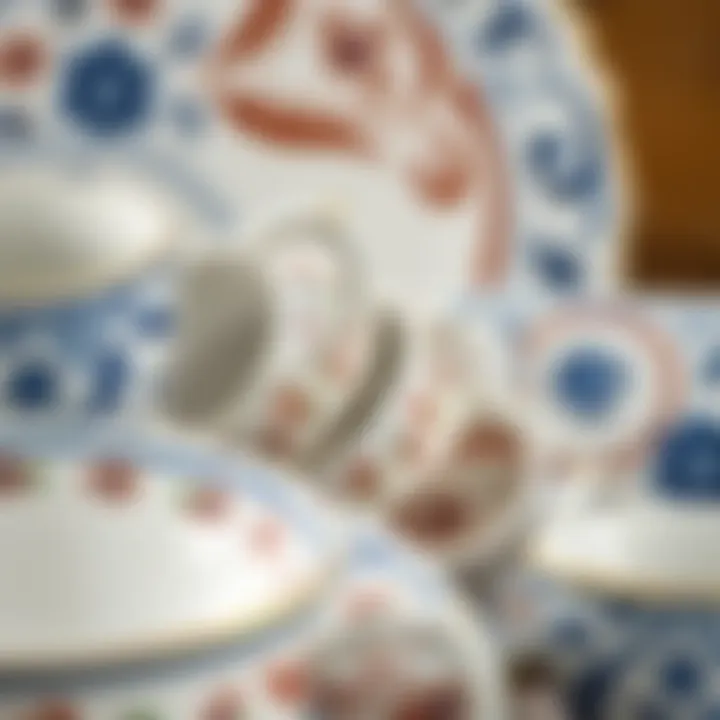
However, the larger platters may pose challenges in storage and handling; thus one must consider how it fits into their overall collection. Sometimes, the delicate nature of certain designs can also limit their usage to special occasions only, which might not suit every household's style.
Presentation Tips
To thrive in the art of presentation, various tips can be applied when utilizing serving platters. One recommendation is to strategically arrange food items in a colorful manner—think of contrasting shades that highlight each dish's qualities. Arrange taller garnishes to create height and visual interest, leading the eye to explore.
Another beneficial choice in this realm is the use of liner materials beneath some foods, such as large leaves or decorative paper, which can add an element of surprise to the dining experience. The unique aspect of this presentation style is that it can also spark creativity, allowing hosts to express their culinary vision more freely.
The downside could be that over-decorating could clutter the platter, detracting from the beauty of the dish itself. It's best to strike a balance between an eye-catching display and showcasing the actual food.
Serving Utensils and Accessories
Serving utensils and accessories play an equally vital role in the effective use of a serving set. The right tools can make all the difference in how easily food is served and enjoyed.
Types of Utensils
The variety of serving utensils available can be a game-changer in terms of both aesthetics and functionality. Typical utensils include serving spoons, tongs, and ladles, each designed with specific purposes in mind. The key aspect of these utensils lies in their specialized nature. For example, a slotted spoon is beneficial for serving vegetables without the liquid, while a ladle works well for soups.
These utensils can enhance the dining experience by making it easy to manage different dish types. However, one must be cautious that an overabundance of utensils can lead to confusion, particularly if they don't align with the serving style or food type.
Enhancing the Dining Experience
When it comes to enhancing the dining experience, the choice of utensils can make a significant impact. Consider investing in accessories like serving trays, which not only help transport food but can also become part of the table's aesthetic. A beautiful tray can frame the food, creating a visually pleasing presentation that elevates the meal.
Moreover, textured utensils can add tactile contrast to a streamlined porcelain setting, making even ordinary meals feel special. By selecting stylish and functional serving tools, hosts can ensure that the dining experience remains seamless and enjoyable.
However, too many decorative accessories might overwhelm the space, thus it's wise to curate selections that genuinely contribute to the overall dining atmosphere without cluttering the table.
Design Aesthetics: Styles and Trends
Design aesthetics play a vital role in the world of porcelain serving sets, influencing everything from initial purchase decisions to how these items complement modern dining spaces. The right aesthetic not only reflects personal taste but also enhances the overall dining experience by setting the mood and vibe during meals. Consider when hosting a gathering; the visual appeal of your serving sets can transform a simple meal into an elegant affair. This section delves into traditional and contemporary designs, highlighting the characteristics and trends that make them desirable.
Traditional Porcelain Patterns
Floral Designs
Floral designs in porcelain are often characterized by meticulous hand-painted blooms and intricate botanical patterns. These designs evoke a classic charm that adds warmth to any table setting. Their nostalgic appeal makes them a favorable choice for formal dining occasions or family gatherings, reminiscent of country homes and elegant tea parties. A key aspect of floral designs is their versatility; they can mesh seamlessly with both rustic and contemporary decor styles.
Unique features of floral designs include varying color palettes and styles that range from bold, bright florals to soft, pastel motifs. While they are undeniably beautiful, one must consider the maintenance involved, as delicate florals can sometimes show wear over time, demanding careful handling. However, the overall benefits—such as visual appeal and the ability to create a welcoming atmosphere—far outweigh the disadvantages.
Geometric Patterns
Geometric patterns offer a striking contrast to floral designs, bringing a modern edge to porcelain serving sets. Defined lines, abstract shapes, and symmetrical layouts characterize this style, providing a polished, sophisticated look. Geometric patterns are increasingly popular in contemporary dining settings, merging well with modern furniture and minimalist decor.
A defining feature of geometric patterns is their ability to evoke a sense of order and structure, which can be both comforting and inspiring in a dining experience. One perceived advantage is their durability; due to their often simpler designs, they can be less prone to visible wear and damage compared to intricate floral pieces. However, some may find them less inviting—lacking the warmth and charm that floral designs can bring to a table.
Contemporary Porcelain Innovations
Minimalist Designs
The minimalist trend in porcelain reflects a shift toward simplicity and functionality. Characterized by clean lines, solid colors, and a lack of excessive ornamentation, minimalist designs convey elegance through restraint. This approach to porcelain sets focuses on the beauty of the material itself, allowing the craftsmanship to shine without distractions.
Minimally designed porcelain sets are particularly popular among young homeowners and designers looking to create contemporary dining settings that are chic yet comfortable. The unique feature of such designs lies in their adaptability; they can be dressed up for formal occasions or used casually for everyday meals. On the downside, some may argue that the lack of embellishment can render these pieces too stark or clinical, potentially missing the warmth often desired in dining contexts.
Color Trends
Color trends in porcelain serving sets have continually evolved, moving from classic whites and blues to vibrant and unconventional shades. These trends are particularly beneficial for those wanting to make a bold statement or add a pop of color to their dining experience. Pastel hues and deep, rich colors can evoke varying emotions, from calm and serene to lively and dynamic.
A striking aspect of contemporary color trends is their reflective quality that can change the ambiance of a dining table. While colorful sets can be eye-catching and modern, they may also pose challenges when it comes to adhering to themed dinner settings or color coordination within a household. Still, exploring different color palettes can breathe new life into traditional dining environments, emphasizing personal style and creativity.
Practical Applications in Dining
Porcelain serving sets hold a vital role in the dining experience. They do not merely serve food; they enhance the presentation and elevate the atmosphere of every meal. From casual get-togethers to formal events, porcelain wares adapt to the occasion, creating an inviting table setting. Understanding their practical applications allows one to fully appreciate their versatility and importance.
Casual vs. Formal Dining
When it comes to dining situations, the distinction between casual and formal settings is significant. Casual dining often allows for a mix of creative expression and comfort. Porcelain serving sets in this context can boast vibrant colors, modern designs, and eclectic patterns that reflect a laid-back vibe. Plates might flaunt playful prints or mismatched styles, creating an atmosphere of relaxed enjoyment.
Formal dining, on the other hand, requires a more subdued and elegant approach. Here, porcelain serving sets usually feature classic white designs, embossed details, or refined motifs. The choice of porcelain for formal dining is intentional, as the material radiates sophistication and grace. Each piece in a porcelain set is meticulously crafted, offering not only an aesthetic appeal but also a reliable durability that is essential for more high-stakes events.
In summary, the versatility of porcelain serving sets makes them suitable for both casual and formal dining. Casual settings benefit from the playful nature of varied designs, while formal occasions thrive on the elegance and timelessness that porcelain provides.
Themed Dinners and Special Occasions
Holiday Gatherings
Holiday gatherings are a prime opportunity to showcase porcelain serving sets that tell a story. During festive celebrations, families often pass down cherished dinnerware, each piece carrying memories of shared meals. These sets may come decorated with seasonal motifs—think holly leaves during Christmas or delicate flowers for springtime celebrations. The charm of porcelain in these contexts is its ability to set a festive tone.
Moreover, using specific porcelain sets can create a cohesive atmosphere, helping foster a sense of unity during these special occasions. The warmth and connection during holiday dinners are often enhanced by the traditional use of porcelain, which appears both timeless and inviting. However, it's important to be discerning about the pieces used, as some delicate designs may not hold up well under heavy use.
Celebratory Events
Celebratory events such as weddings, anniversaries, or birthdays call for a more refined approach to dining ware. Here, the choice of a well-crafted porcelain serving set can highlight the significance of the occasion. Elegant designs, often featuring gold trims or intricate patterns, capture the essence of celebration, making the dining experience memorable.
In these contexts, porcelain serving pieces stand out for their ability to reflect sophistication. They can serve as stunning centerpiece items or as conversation starters during the festivities. However, one must tread carefully with porcelain at lively events; while they can dazzle the eye, they can also be fragile. Understanding the balance between beauty and practicality is essential for maintaining the integrity of these prized items.
Porcelain serving sets offer invaluable contributions to dining experiences, whether casual or formal. By understanding their various applications, one can better appreciate their role in elevating meals beyond mere sustenance to creating cherished memories.
Care and Maintenance of Porcelain
Understanding how to care for and maintain porcelain is crucial for anyone looking to keep their serving sets in pristine condition. This topic connects deeply with the longevity and aesthetic appeal of porcelain. Proper care not only preserves the beauty of these pieces but also ensures they remain functional over time.
Cleaning Techniques
Cleaning porcelain items requires a gentle but effective approach. Unlike metal or glass, porcelain can be more prone to scratches and chips, so here are some techniques to consider:
- Gentle Washing: Always wash porcelain by hand instead of placing it in a dishwasher, which can cause pieces to bang against each other. Use a soft sponge and mild detergent to remove any food residue.
- Avoid Abrasives: Stay away from harsh scrubbers or cleaning agents containing bleach, as they can dull the surface. Instead, opt for a baking soda paste for stubborn stains.
- Spot Cleaning: For small stains, a damp cloth with a bit of vinegar or dish soap can work wonders.
By using these cleaning techniques, you not only maintain the visual appeal of your porcelain but also extend the life of each piece.
Storage Recommendations
When it comes to storing your porcelain serving sets, proper techniques are critical to prevent damage and ensure longevity. Here are key considerations for storing your beautiful porcelain:
Preventing Damage
Preventing damage is fundamental to enjoying your porcelain for many years. Here are some pointers that can help:
- Layering with Care: When stacking plates, placing a soft cloth or paper between them can prevent scratches and chips from contact.
- Stable Environment: Store porcelain in a stable environment, avoiding areas with extreme temperatures or humidity changes, which can weaken the material over time.
The characteristic of preventive care is absolutely essential, as it emphasizes being proactive rather than reactive. It’s a good practice to regularly inspect stored porcelain to catch any potential issues before they escalate.
Maximizing Longevity
Maximizing longevity is another aspect that focuses on preserving your porcelain’s integrity. Here’s how you can make the most of your serving sets:
- Regular Usage: Believe it or not, using your porcelain pieces regularly can actually help maintain their quality. It keeps them in good shape rather than sitting untouched in a cupboard.
- Avoid Direct Heat: Try to avoid exposing porcelain to direct heat, such as leaving them in a hot oven or near a stove, as temperature shocks can cause cracking.
This beneficial approach to maximizing longevity means treating your pieces with the respect they deserve. Regular checks and mindful usage will extend their aesthetic and functional life.
"Porcelain is not just about beauty; it's about sustaining a legacy through proper care."
Understanding these care and maintenance aspects can vastly enhance your experience of owning porcelain serving sets. While the beauty of porcelain is evident, it’s the care that ensures it is passed down rather than fading with time.
Porcelain vs. Other Materials
When diving into the realm of dining ware, understanding the distinctions between porcelain and alternative materials becomes paramount. Not only do these differences shape aesthetic choices, but they also impact functionality, durability, and user experience. This article section dives into a comparative analysis of porcelain, particularly in contrast to stoneware and glass serving wares, elucidating the unique benefits and considerations each material brings to the table.
Comparing Porcelain to Stoneware
Porcelain often finds itself on one end of the spectrum, while stoneware occupies a robust niche on the other. Both materials boast their distinct advantages, but it’s essential to understand how they differ in several critical areas:
- Durability: Stoneware is often regarded as tougher than porcelain; however, porcelain, crafted through meticulous processes, also exhibits considerable strength. The high firing temperatures of porcelain yield a non-porous surface, resistant to chipping and staining, which is a strong point in favor of this elegant material.
- Design Flexibility: If you’re looking for intricate and delicate designs, porcelain leaps ahead. Artists can create stunningly detailed pieces in porcelain that might be challenging to attain in stoneware, where earthy tones and rustic designs typically reign.
- Thermal Properties: Stoneware tends to retain heat exceptionally well, making it suitable for serving hot meals. On the flip side, porcelain, while also retaining heat, can be sensitive to rapid temperature changes, which might lead to cracking if not handled with care.
In summary, porcelain shines for its refinement and aesthetic appeal, while stoneware is often favored for robustness and capability to handle everyday use.
Porcelain vs. Glass Serving Wares
When contemplating options beyond stoneware, glass becomes a common contender in the dining ware showdown. Each material has its virtues, but their distinctions can greatly influence one’s selection:
- Weight and Handling: Glass ware is generally lighter than porcelain, which can be advantageous for casual gatherings. However, porcelain offers a more substantial feel, often signifying quality and elegance at the dining table. This perceived weight can enhance the dining experience, making it feel a touch more formal.
- Visibility of Contents: Glass has a transparency that allows the dishes it holds to shine, offering a visual appeal particularly suited to serving salads or colorful desserts. In contrast, porcelain offers a canvas to showcase design, colors, and artwork, which can add to the overall aesthetic of the dining experience.
- Maintenance: Glass can be easier to clean, especially when it comes to stubborn stains or sticky foods. However, it’s also prone to scratches and breakage, which aren’t as common with porcelain if treated properly. Porcelain’s durability makes it a long-term investment, particularly as trends favor timeless elegance.
In essence, while glassware excels in casual settings for its lightweight nature, porcelain stands tall as a choice for merging functional resilience with sophisticated design—catering to those who appreciate the fine details in dining.
"Choosing the right material not only complements your aesthetic preferences but also enhances your overall dining experience."
Through this thorough examination of porcelain versus other materials, diners can make informed decisions that elevate their tablescapes and enhance their culinary presentations. To explore more diverse options and fascinating comparisons, consider visiting informative sites such as Britannica or Wikipedia.
Sourcing Quality Porcelain Serving Sets
When it comes to elevating the dining experience, the choice of porcelain serving sets plays a crucial role. Sourcing quality porcelain serving sets involves more than just picking a pleasing design; it’s about understanding the materials, the craftsmanship, and the ethos of the brands behind these beautiful wares. A well-sourced porcelain set can be a lasting investment, enhancing your meals and lending an air of sophistication to your table.
Evaluating Brand Credibility
Researching Manufacturers
Researching manufacturers is like peeling an onion; there are multiple layers to uncover. Start by looking into the history of the manufacturer. A brand with a rich legacy often brings with it a wealth of expertise and reliability. Key characteristics to consider include the origin of the porcelain. For instance, renowned areas, such as Jingdezhen in China, have centuries of production and are known for exceptional quality.
The unique feature of researching manufacturers is that it helps identify those who are committed to quality over quantity. You can often find detailed information about the production processes and material sourcing on the manufacturer’s website or through industry publications. This insight can drastically influence your decision, as a brand that prioritizes sustainable practices often produces sets that are not only beautiful but durable, making them a good long-term investment.
Customer Reviews
Customer reviews serve as an open window into the user experience and satisfaction. These testimonials often highlight real-world applications of the porcelain sets, identifying any pros and cons you might not discover otherwise. The key characteristic of customer reviews is their ability to provide unfiltered feedback from actual users, which is invaluable for discerning buyers.
What stands out in customer reviews is their wide-ranging insights. They point out common themes, such as durability and ease of maintenance, or perhaps they flag issues with chipping or color fading over time. However, it’s crucial to look at the overall trend—one or two negative comments shouldn't sway your judgment if the majority are glowing. This aggregation of perspectives offers a clearer picture and can help you avoid potential pitfalls.
Sustainability Concerns in Production
As awareness around environmental issues grows, the porcelain industry isn't left out of the conversation. Sustainability concerns in production have started driving some brands to rethink their practices. Considerations include raw material extraction, energy consumption during manufacturing, and the carbon footprint associated with transporting goods.
Sourcing porcelain sets from brands committed to sustainable practices can mean choosing products that utilize eco-friendly materials and renewable energy sources. Look for companies that offer transparency in their processes; certifications from recognized environmental standards can be a reliable indicator. This not only assists in making a responsible purchase but also contributes to broader environmental goals.
The Cultural Significance of Porcelain
Porcelain is not merely a functional item; it is steeped in rich cultural history. This section dives into how porcelain transcends the boundaries of being just a serving set, embodying art, tradition, and identity across various societies. Its historical narratives, design characteristics, and the meaning it brings to both dining experiences and cultural expressions highlight why it holds a significant place in society today.
Porcelain in Art and History
From its inception in ancient China, porcelain has drawn admiration for its delicate beauty and robust nature. Known as "white gold," it was a luxury that many aspired to possess. The intricacies of its craftsmanship reflect the socio-political context of its era, marking a pivotal point in trade and cultural exchange.
- As early as the Tang dynasty (618-907 A.D.), porcelain became a hallmark of Chinese artistic achievement and was traded along the Silk Road, influencing art and craft in regions far beyond its origins.
- Artists employed various glazing techniques, where colorful finishes transformed basic ceramic dishes into treasured possessions, thus raising the bar for what was considered avant-garde in decorative arts.
Porcelain's role in history stands as a testament to the technological advancements and shifts in social norms over the centuries. Its evolution into various forms, elaborately adorned dinnerware and elegant decorative items, speaks volumes about the changing tastes and cultural values across time.
Symbolism in Different Cultures
Porcelain has woven itself into the fabric of cultural identities in numerous societies. Its symbolism differs from East to West, showcasing diverse interpretations and values.
Porcelain in Eastern Traditions
In Eastern cultures, particularly in China, porcelain is often a symbol of purity, refinement, and harmony. The craftsmanship involved in producing porcelain adds an element of spiritual significance. The most notable aspect is its association with tradition and familial lineage. Many families treasure heirloom porcelain serving sets passed down through generations, showcasing both aesthetic and sentimental value.
- Not only is porcelain used in everyday activities but it often graces important ceremonies and festivals, embodying respect for ancestry and tradition.
- The glazes and motifs frequently depict nature, representing balance and connection with the environment, making it a popular choice for those who align with cultural and holistic practices.
Nonetheless, while porcelain's ties to tradition can be seen as beneficial, the costs associated with high-quality pieces may steer some away. Collecting authentic pieces can be a laborious process requiring careful consideration of authenticity and origins.
Western Perspectives
In the West, porcelain has taken on various meanings, evolving through time alongside the changing dining customs. It represents elegance, but also domesticity and hospitality. Specifically, fine china is often seen as a staple for formal occasions, symbolizing grace and sophistication.
- The intricate details often reflect status, as owning elaborate porcelain sets is viewed as an indicator of social standing. Many Western households pride themselves on having a collection that reflects personal taste and cultural appreciation.
- Moreover, the shift towards sustainable and handmade porcelain has cultivated a modern narrative. As consumers increasingly seek transparent sourcing and ethical craftsmanship, the charm of fine porcelain resonates, aligning with contemporary values of responsibility and authenticity.
Yet, the accessibility of quality porcelain can lead to a conundrum; not all porcelain is designed for practical daily use. Many are strictly decorative, leading to discussions on the balance between functionality and aesthetics in modern dining.
"Porcelain mirrors cultural expressions while serving as a nexus between art and society, its historical journey unfurling in the marketplaces and dining rooms of the world."
In summary, the cultural significance of porcelain serves as a link between the past and present, capturing the essence of each time and place it touches. Whether in the rich heritage of Eastern practices or the evolving narratives in the West, porcelain remains a medium that echoes the intricacies of human life.
Culmination and Future Trends
As we reflect on the intricate world of porcelain serving sets, it's clear that understanding this art form is essential for anyone looking to enhance their dining experience or elevate their home decor. The intersection of style and functionality found in porcelain is not just a matter of preference; it’s a reflection of cultural heritage, craftsmanship, and ongoing innovation.
Emerging Innovations in Porcelain
Porcelain is continuously evolving in response to modern needs and design trends. Innovative production techniques have made porcelain more accessible, with eco-friendly options gaining traction. For instance, some manufacturers are now utilizing sustainable materials in their porcelain mixes, lessening the impact on the environment. This move towards sustainability resonates with consumers who prioritize ethical considerations in their purchases.
In addition, technological advancements are enabling designers to explore new aesthetics. We now see porcelain pieces that incorporate 3D printing technology, allowing for designs that were once unimaginable. This not only enhances customization options, making each piece unique, but also challenges traditional forms and shapes seen in earlier porcelain sets. Another exciting aspect is the integration of smart technology into serving sets. Imagine a platter that can maintain a specific temperature or a bowl that can signal when your food has reached the perfect cooking point!
The Future of Dining Experiences
The evolution of dining is another factor fueling changes in porcelain design. People are moving away from rigid practices associated with traditional dining; instead, they embrace experiences that are more flexible and interactive. Porcelain serving sets are now designed for this new era.
For casual gatherings, we see a rise in modular designs, where plates and bowls can be easily rearranged or stacked to adjust to the number of guests. This adaptability allows for a more relaxed environment while still maintaining a touch of elegance.
With the rise of social media, there's also an aesthetic shift. Dishes are designed not just to please the palate but also to be visually stunning — think vibrant floral patterns or striking geometric shapes. This has encouraged a deeper appreciation for how porcelain can enhance the tableau of a dining experience. Many diners today consider the visual presentation as important as the meal itself, leading to an increased interest in porcelain sets that stand out.
In summary, the porcelain serving sets offer more than just a means to serve food; they embody a dialogue between tradition and modernity. As we adapt to our changing social landscapes, these sets will continue to evolve, serving as both functional kitchenware and delicate expressions of culture and style. The journey of porcelain does not end here; it is destined for bright innovations and an enduring legacy in the world of dining.