Enhancing Front Porches with Flower Boxes: Design & Tips
Intro
Front porches often serve as the threshold between the intimate space of the home and the public view of the street. They are, in essence, the first impression a visitor gets; the open hand of welcome or the closed door of indifference. Flower boxes, with their vibrant blooms, can breathe life into these entryway spaces, merging beauty with functionality. Often overlooked, these essentials can transform an otherwise mundane porch into a visual feast that captivates and invites.
In the course of this article, we will dissect the multifaceted benefits of utilizing flower boxes on front porches. Understanding the intersection of aesthetics and utility is crucial for both homeowners and designers alike. From investigating current design trends to practical tips on arrangement and plant selection, this exposition aims to provide a thorough view of how flower boxes can enhance curb appeal while serving practical purposes. Moreover, we shall explore considerations related to materials, maintenance, and seasonal adaptations that can mutually support a home’s architecture and gardening efforts.
Design Trends
Current Trends in Flower Box Styles
If you glance around, you might notice that flower box styles have evolved significantly, much like the fashions we wear. The current market leans towards sustainability and natural aesthetics. Wooden flower boxes, constructed from reclaimed timber or other sustainable materials, are highly favored for their rustic charm. These are often paired with modern, sleek designs—metal or fiberglass flower boxes exemplify minimalism, adding a contemporary flair.
Incorporating various shapes and sizes has become common practice, allowing homeowners to play with proportions and visual interest. For example, vertical garden boxes not only save space but also create a lush, green wall of flora. Additionally, integrating self-watering mechanisms within these structures has proven to be a game-changer for maintaining plant life with less hassle.
How to Incorporate Trends into Your Space
To effectively incorporate these trends into your own front porch, consider your home’s overall design and color scheme. Balance is key in creating harmony between your porch and the architectural style of your residence.
Here are some suggestions:
- Match Materials: If your porch has wooden railings, consider using a wooden flower box that complements the tone. It’s all about achieving a coherent look.
- Go for Cohesion: Use similar plant colors and styles in your flower boxes to ensure they don’t clash with your home’s exterior.
- Experiment with Heights: Layering different heights of flower boxes can add depth and intrigue, leading to a fuller visual experience for onlookers.
By thoughtfully considering how flower boxes can complement or contrast with your home’s aesthetics, you can create a welcoming ambiance that resonates warmth.
"Effective design doesn't just happen overnight – it’s a complex process where aesthetics and functionality must seamlessly integrate."
Material Choices for Durability and Aesthetics
While the flowers do provide the main attraction, the materials used for flower boxes play a pivotal role in longevity and upkeep. Common materials like wood, metal, and plastic each offer distinct advantages and disadvantages.
- Wood: Attractive and robust, but requires regular treatment against weathering. Look into rot-resistant options like cedar or teak.
- Metal: Can provide a sleek modern look, but may heat up in the sun. Galvanized steel or aluminum are robust picks.
- Plastic: Lightweight and often weather-resistant; however, they can sometimes look less appealing if not designed well.
When selecting a flower box, considering the local climate and your own maintenance capabilities can make a world of difference in ensuring that your choice stands the test of time.
Being aware of these trends can add style to your home while appreciating the practical aspects of having flower boxes on your front porch resonates perfectly with enhancing one’s lifestyle.
Foreword to Flower Boxes
Flower boxes serve a pivotal role in both aesthetic appeal and functionality for front porches. They are not just mere decorative elements; they are integral to the character of a home. The vibrant colors and the varied textures in flower boxes breathe life into otherwise mundane entries, inviting both residents and visitors to linger a moment longer. Their importance lies in their ability to blend nature with human design, creating a warm atmosphere that enhances the exterior decor.
One key benefit of flower boxes is the way they can dramatically improve curb appeal. Just a small arrangement can transform the look of a house, making it feel more welcoming and alive. With the right choice of flowers, even the simplest porch can take on a fresh spirit, reflecting the homeowner’s personality and style. Additionally, flower boxes are practical. They allow for creative gardening, especially in spaces where ground planting isn’t possible due to concrete surfaces or limited yard space.
While some might just consider flower boxes as a seasonal decoration, they boast year-round potential. In considering the different elements involved—such as design, plant choice, and maintenance considerations—homeowners can create a dynamic display. This article aims to delve deep into these aspects, ensuring that readers can harness the full potential of flower boxes on their front porches.
Defining Flower Boxes
A flower box, often referred to as a planter box, is essentially a container designed to hold plants and flowers, primarily placed on a porch or balcony. They can vary tremendously in style, material, and size, accommodating everything from vibrant annuals to lush perennials. Their design might range from the simple to the elaborate, often crafted to blend seamlessly with the architecture of the home. Flower boxes not only serve as a functional aspect of landscaping but also offer an artistic outlet for homeowners and designers alike.
Historical Significance
Historically, flower boxes can be traced back to the Renaissance period, where they initially served practical purposes in larger estates and public spaces. They provided a way to cultivate herbs and flowers accessible to kitchens or for display. In various cultures, these boxes symbolized wealth and respect for nature, often containing exotic plants that were hard to come by.
In urban settings, flower boxes became a means to bring greenery into crowded spaces, softening the harshness of concrete jungles. The Victorian era saw a boom in such floral displays, with elaborate designs that spoke to opulence and beauty. Today, they continue to echo this history while evolving as modern homeowners look to personalize their homes and embrace sustainability. The pots and boxes of previous generations have evolved into contemporary designs, reflecting current tastes while paying homage to their rich heritage.
Aesthetic Benefits
When it comes to flower boxes, their role extends beyond just planting pretty flowers. They can transform a simple front porch into an eye-catching and inviting space. A well-thought-out flower box can enhance the overall aesthetics of a home while providing its share of character and charm. As we delve into the aesthetic benefits, it's essential to recognize how crucial they are in creating a warm, welcoming atmosphere.
Enhancing Curb Appeal
Curb appeal, that first impression we all strive for, can often make or break a potential home buyer's interest. Flower boxes serve as an effective tool in this regard. When vibrant blooms spill over the edges of a flower box, it brings life to an otherwise bland facade. An effective approach is to select flowers that are not only seasonal but also complement the home's color scheme. This not only draws the eye but also creates a cohesive look throughout the exterior, solidifying the statement of the home.
Ways Flower Boxes Boost Curb Appeal:
- Color Contrast: Depending on the home’s color palette, contrasting flowers can fascinate onlookers.
- Height Variation: By staggering plant heights, flower boxes introduce depth, inviting curiosity.
- Framing Elements: Flower boxes can be used to frame doorways and windows, guiding the observer's gaze and accentuating features.
Complementing Architectural Styles
Architectural styles dictate not just the structure of a home, but how landscaping elements should align with them. Flower boxes can either enhance or clash with these designs, so careful consideration is essential. Let’s explore how flower boxes can tie in beautifully with different architectural styles.
Modern Styles
Modern designs often incorporate sleek lines and minimalistic aesthetics. Flower boxes in these settings should mirror that simplicity and elegance. Typically made from materials like metal or fiberglass, these boxes are not only stylish but durable too. The key characteristic of modern styles is their emphasis on functionality without muddling up the clean lines.
Benefits of Flower Boxes in Modern Styles:
- Versatility: They can easily be custom-fitted to match existing materials of the home, be it steel, glass, or concrete.
- Low Maintenance: Unlike traditional wooden boxes, metal and composite varieties require little upkeep, in line with modern living where ease is valued.
Traditional Designs
In homes adorned with classical architecture, flower boxes can enhance the timelessness that these styles exude. With rich wooden materials often used, classic flower boxes epitomize charm and warmth. Their aesthetics complement the historical aspect of the architecture, grounding it in a sense of history.
Unique Features of Traditional Designs:
- Timber Materials: Wood lends a natural quality, and treatments can keep them looking pristine.
- Heritage Plants: Traditional designs often include flowering plants that are heirlooms or specific to the region, thus providing local flavor to the front porch.
Rustic Charm
Rustic charm is all about embracing the natural world and the beauty found in imperfection. Flower boxes that fit this theme are often made of reclaimed wood or wrought iron. They embrace the organic shapes and textures found in nature, thus creating a softly appealing aesthetic.
Forest and Floral Elements in Rustic Designs:
- Natural Textures: Wooden boxes with rough-hewn finishes add character and warmth to the home.
- Wildflowers and Native Plants: By using local flora, homeowners can create a natural habitat that supports local wildlife while maintaining an earthy allure.
Flower boxes can play a pivotal role in enhancing the aesthetic appeal of front porches, serving as a reflection of individual taste and an invitation for every guest.
Flower boxes provide homeowners with an endless palette of options for expressing style, ensuring that every front porch can be transformed into a breathtaking display of nature and creativity.
Functional Roles
When considering the role of flower boxes for front porches, it is essential to not only appreciate their decorative aspects but also their practical functions. Flower boxes serve as a vital component in transitioning the harsh surroundings of a home’s foundation into a welcoming visual display. They can dramatically shape the environmental feel of your property. In this section, we will delve deeper into two fundamental areas: the ways flower boxes bring greenery and life to your space, along with their surprising effects on property value.
Adding Greenery and Life
One cannot overlook how flower boxes breathe life into otherwise stark or drab porches. They create an ethereal charm that softens the rigidity of architectural lines. The presence of vibrant colors and varied textures can help turn a simple entrance into a lively welcome, much like inviting a friend into your cozy abode.
Using flower boxes as part of your front porch decor introduces a community of plant life - from flowering plants to trailing vines. These elements not only look delightful but can also attract beneficial pollinators like bees and butterflies. This leads to a mini-ecosystem right outside your door. Here are a few types of plants that can really flourish in flower boxes:
- Petunias: Known for their incredible color range and hardiness, these flowers can fill up a box nicely.
- Ferns: They bring a lush, tropical feel to your porch and thrive well in shaded areas.
- Succulents: Ideal for those who want low-maintenance greenery; they can add a trendy look with their unique shapes.
The magic lies in mixing and matching plants that bloom in various seasons for a year-round vibrant display. Having a burst of life right at your doorstep can uplift one’s mood and even encourage passerby engagement.
Improving Property Value
In this fast-paced real estate world, every bit of curb appeal counts. Well-maintained flower boxes can positively impact the perceived value of a home, offering a strong first impression for potential buyers. Many homebuyers are drawn to properties that demonstrate thoughtful landscaping. Flower boxes can be that cherry on top!
According to various real estate agents, properties with eye-catching landscaping can command a higher asking price. It’s not uncommon to see homes selling for 5% to 12% more than comps in similar areas. Homeowners should thus view flower boxes not just as a decorative addition, but as a strategic investment in their property. Below are aspects of how flower boxes contribute to property value:
- Visual Appeal: The vibrant aesthetics provided by flower boxes create an inviting atmosphere.
- Perceived Quality: Well-kept flower boxes signal to buyers that the property is well-cared for overall.
- Outdoor Living Space: They effectively enhance the overall design of porches, which can become a focal point for outdoor entertainment or relaxation.
"Creating an inviting facade through elements like flower boxes is not merely about looks; it's about enhancing your property’s overall marketability."
Choosing the Right Materials
Selecting the appropriate materials for flower boxes is a crucial decision that can significantly affect both their aesthetics and longevity. By examining various material choices, homeowners and designers can achieve not only visual appeal but also functionality that withstands the test of time and elements. The perfect flower box marries form with function, satisfying a homeowner's desire for beauty while ensuring practical usability for planting and upkeep. Considering elements such as durability, maintenance, and environmental impact will guide your material selection process.
Wood: A Classic Choice
Wood is often regarded as the quintessential material for flower boxes. Its natural look complements various architectural styles while providing warmth to any porch setting. Cedar, in particular, is a popular choice among homeowners. It possesses natural resistance to decay and insects, making it an ideal selection for outdoor spaces.
Additionally, wood can easily be painted or stained, allowing for endless customization possibilities. When choosing wood for your flower boxes, it's essential to consider thickness and treatment:
- Thickness: Thicker wood offers greater durability but may come at a higher cost.
- Treatment: Without proper sealants, wood can be vulnerable to moisture and pests. Utilizing a weather-resistant finish will prolong its life.
A wooden flower box can become a centerpiece of the porch, drawing attention and inviting conversations, all while providing a cozy corner for your favorite blooms.
Metal Options for Durability
Metal flower boxes, such as those made from aluminum or steel, are gaining popularity due to their durability and resistance to weather-related wear and tear. Aluminum, in particular, is lightweight and rust-resistant, making it perfect for regions with harsh weather conditions.
When considering metal flower boxes, homeowners should focus on several aspects:
- Coating: A powder-coated finish enhances resistance to corrosion and scratches. Options range from vibrant colors to classic finishes.
- Insulation: While metal boxes can get quite hot under direct sunlight, adding an insulating layer can help protect root systems from overheating.
A metal flower box conveys a modern aesthetic and can be a striking contrast alongside traditional home styles, creating an interesting focal point on the porch.
Plastic and Composite Materials
Plastic and composite materials have emerged as a versatile option for flower boxes. They are often touted for their ease of maintenance and lightweight nature. Made from recycled materials, composites also offer an environmentally-friendly choice, aligning with sustainable practices.
Some things to consider when opting for plastic or composite include:
- UV Resistance: Ensure the selected materials are UV resistant to prevent fading and cracking over time.
- Drainage Systems: Many modern plastic flower boxes come with built-in drainage holes, which is essential for plant health.
These materials can mimic the appearance of wood or metal without the associated upkeep. They are particularly suitable for those looking for low-maintenance options, allowing home and garden enthusiasts the freedom to enjoy their plants without excessive worry about weather impact.
"Choosing the right materials for flower boxes is not just about aesthetics; it's about durability, maintenance, and creating harmony with the existing architecture of your home."
Design Considerations
When it comes to flower boxes for front porches, design considerations are key to creating a harmonious and inviting space. These aspects not only enhance the visual appeal but also ensure that the flower boxes serve their intended purpose effectively. It's vital to think through both size and color coordination when selecting and placing flower boxes, as these factors can make or break the overall look of your home’s entryway.
Size and Scale
Understanding the size and scale is crucial when deciding on flower boxes. The dimensions should complement the architecture of your home rather than overpower it. For instance, if you have a modest cottage-style house, oversized flower boxes may look out of place—like a whale in a goldfish bowl. On the flip side, tiny boxes against a grand façade could be compared to ants marching in a parade.
- Proportional Balance: The size of your flower boxes should match the width of the porch railing or other architectural features. A box that’s too wide or too tall can disrupt the visual flow.
- Functionality: Consider what size will allow for adequate planting space while also fitting nicely on your porch. Smaller boxes may limit your plant choices, whereas larger ones provide more opportunities for layering and variety.
- Height Matters: Think vertically—this can add a dramatic flair. Taller boxes can help make a statement, especially if you want some plants to frame your door.
Color Coordination
Color coordination is where creativity truly blossoms. It’s more than just picking a color that looks good. You want your flower boxes to integrate seamlessly with the existing palette of your home and surrounding landscapes, creating a cohesive look that draws the eye.
- Harmonious Hues: Choose colors that either match or complement your house paint and trim. Earthy tones can work well with rustic designs, while a pop of bright color might suit more contemporary styles.
- Seasonal Variations: Flower boxes can be dressed up for different seasons through plant selection. Spring might dance with pastels, while autumn can bring fiery bursts of orange and red. Knowing how to coordinate these colors effectively will keep your porch looking fresh year-round.
- Focal Points: Utilize contrasting colors strategically to create focal points. A vivid box can draw attention to the entrance of your home, almost like a warm welcome mat for your visitors.
Arranging Flower Boxes
Arranging flower boxes isn’t merely about throwing some plants together and calling it a day. It's a careful dance, blending aesthetics and practicality to create an inviting atmosphere that welcomes guests before they even step foot inside. When strategically positioned, flower boxes can serve several purposes—from framing your entryway to adding a pop of color. Getting the arrangement right can elevate your porch's charm while ensuring your plants thrive through careful consideration of their growing needs.
Placement on the Porch
The placement of your flower boxes can make all the difference. If you want to maximize both the beauty and utility of these elements, think about visibility and accessibility. Here are a few tips to consider:
- Proximity to Entry Points: Position your flower boxes near doorways or pathways to create a natural flow. This draws the eye and softens the transition from outdoor to indoor.
- Sunlight Exposure: Different plants require varying amounts of sunlight. Observe which parts of your porch receive more sun and plant accordingly. Placing sun-loving flowers where they can bask in daylight can lead to a more vibrant display.
- Height Considerations: Higher boxes can add depth against a flat wall or railing. For instance, placing a taller box against a porch railing while having shorter arrangements below can create visual layers.
- Size Matters: Be mindful of the size of your flower boxes. Oversized boxes on a small porch can overwhelm the space, while tiny boxes can become lost against a grand façade.
Keeping these points in mind lays the groundwork for a harmonious design.
Layering Plants for Visual Appeal
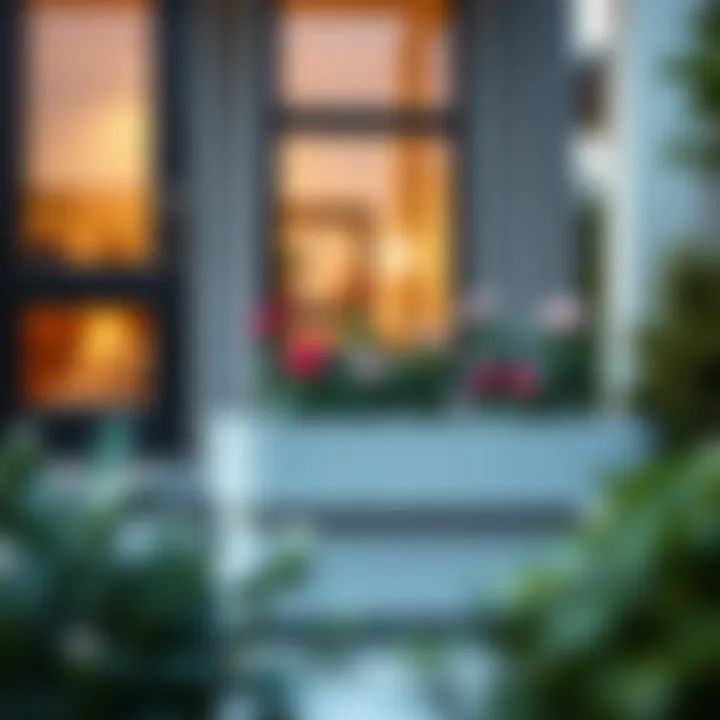
Layering plants within your flower boxes adds an intriguing depth, akin to a well-composed photograph. Yet this layering isn’t just about placing taller plants behind shorter ones; it’s about creating a dynamic arrangement that tells a story. Here are a few ways to achieve that:
- Use Varying Heights: Select plants of varying heights and textures. For example, pair a tall, spiky plant with shorter, bushier ones to create a profile that moves the eye up and down, akin to hills and valleys.
- Consider Color Harmony: Utilize a mix of contrasting colors or shades within the same color family for a striking effect. This could mean mixing pink geraniums with white petunias for a fresh and chic look that pops.
- Incorporate Foliage: Don’t forget about the leaves. Foliage can provide a lush background that enhances the flowers’ colors. Plants with different leaf shapes and colors—like the broad leaves of a coleus beside finer, leafy herbs—add visual interest.
- Seasonal Changes: Refresh your arrangements regularly to keep things interesting. Incorporate plants that bloom in different seasons or change colors as they mature. This not only sustains aesthetic appeal but also invites ongoing engagement with your outdoor space.
By combining these strategies, flower box arrangements can resonate with beauty and functionality, capturing the essence of your taste while showcasing the vitality of nature. > "A well-designed flower box arrangement is more than decoration; it cultivates space and reflects identity."
Seasonal Planting Strategies
Seasonal planting strategies are at the heart of maintaining thriving flower boxes that not only uplift the ambiance of your front porch but also adapt to the shifting seasons. Different times of the year bring unique opportunities for diverse plants to shine, attracting butterflies, bees, and just about anyone who walks by. Understanding these strategies can help ensure that your flower boxes are always bursting with life and color, making a lasting impression.
One important aspect to remember is that seasonal plants often influence how a homeowner expresses their culture and taste. For instance, vibrant flowers associated with the spring season can infuse a sense of joy and renewal, while seasonal evergreens in winter evoke feelings of warmth and coziness amidst the chill. There are also practical considerations: selecting the right plants for each season ensures that your flower boxes thrive with minimal effort. Healthy plants, in turn, reflect the care you put into your home, boosting overall curb appeal.
Spring and Summer Selections
As the frost melts away and the sun returns, spring is the perfect time for rejuvenation. During these warmer months, homeowners often opt for lively blooms that can handle the heat and often vary in size and texture, creating a dynamic and attractive display. Common choices include petunias, geraniums, and marigolds. These flowers do not just look good; they attract pollinators, which help other plants flourish.
When deciding on flower varieties, consider their growth patterns. For instance, trailing plants like lobelia can cascade over the sides of your flower boxes, blending elegantly with the bolder upright blooms like zinnias. This layering creates depth and interest, making your porch visually engaging.
Tips for Spring and Summer Selections:
- Choose a mix of perennials and annuals: This combination can provide continuous bloom cycles throughout the warmer months, ensuring your boxes are always appealing.
- Think about color pairing: Combining complementary hues can create a spirited atmosphere, giving your porch a little extra flair.
"The right plants can make a front porch feel like a warm embrace, inviting everyone to linger just a moment longer."
Autumn and Winter Options
As the leaves begin to turn and a chill enters the air, it's time to rethink your planting choices. Autumn is often associated with rich oranges, deep reds, and muted yellows. Flowers like chrysanthemums and pansies bloom beautifully during this transitional time, while ornamental cabbages can add texture and color when most summer plants are fading.
Winter, on the other hand, calls for resilience and creativity in your flower boxes. Consider incorporating evergreen plants like boxwood or seasonal ornaments such as poinsettias for a festive touch. These selections not only provide greenery but also maintain visual interest on the porch during the dreary winter months.
Strategies for Autumn and Winter Options:
- Incorporate ornamental grasses: These can bring movement even in winter, adding an element of grace to your decor.
- Utilize seasonal decor: Adding pumpkins or festive lights can make your flower boxes a central feature during the holidays.
By paying attention to the changing seasons, you'll harness nature’s rhythms and elevate the beauty of your front porch throughout the year.
Maintenance of Flower Boxes
Keeping flower boxes thriving and beautiful requires a blend of regular care and a sprinkling of knowledge on best practices. Maintenance is more than just a chore; it's a vital part of ensuring that these boxes not only enhance the appearance of your front porch but also contribute positively to your garden ecosystem. A well-maintained flower box can dramatically change the aesthetics of your home, transforming a simple porch into a vibrant display of botanicals.
Watering and Fertilization Tips
Watering is the lifeline for the plants in your flower boxes. The first rule of thumb here is to understand the specific water needs of the plants you’ve chosen. Some plants may thrive on less water, while others might seem to droop without regular hydration.
To strike the right balance, consider the following tips:
- Soil Check: Stick your finger into the soil about an inch deep. If it feels dry, it’s time to water.
- Early Mornings or Late Afternoons: Aim to water in the early morning or late afternoon when the sun isn’t blazing. This helps minimize evaporation.
- Deep Watering: Water thoroughly until you see it begin to drain from the bottom. This encourages roots to grow deeper and stronger.
As for fertilization, it’s a boost that your plants need, especially when they’re initially planted. Using a slow-release fertilizer can keep your plants nourished over time without the risk of burning the roots with more concentrated types. Consider these pointers:
- Follow Recommendations: Each fertilizer has its specific instructions. Adhering to these ensures your plants get the right nutrients without excesses.
- Seasonal Application: In spring, when plants are waking up to growth, is an ideal time to fertilize for that initial kick. Some plants may need a boost mid-summer as well.
Pest Management Strategies
Pests can be a menace, but don’t let them ruin your flower box dreams. Proactive measures can keep these nuisances at bay. Here are some strategies to consider:
- Regular Inspection: Check your plants often. Look under the leaves and along stems for signs of pests. Early identification is crucial.
- Natural Predators: Attract beneficial insects like ladybugs or lacewings, which feast on aphids and other harmful pests. Even setting up a small insect hotel might help!
- Organic Sprays: If pests do appear, consider using organic methods like neem oil or insecticidal soap. These are generally safer alternatives to chemical pesticides and can be highly effective.
- Cultural Practices: Maintain good air circulation by spacing your plants appropriately. This can help reduce the risk of mold and fungal problems that pests might exploit.
"A little attention goes a long way; keeping your plant home healthy can turn your porch into a verdant retreat."
By prioritizing this maintenance, your flower boxes become more than mere decoration; they evolve into thriving habitats, contributing to the overall health of your gardening ecosystem.
Integrating Flower Boxes with Other Decor
Integrating flower boxes with other decor elements is more than just a decorative choice; it's an art form that affects the overall harmony of your porch. Flower boxes can standout pieces in their own right but when combined with other elements, they can take the aesthetic of a front porch to new heights. This section covers the importance of thoughtful integration with specific considerations and benefits that can enrich your outdoor space.
Complementing Front Door Decor
The front door is the focal point of any home. To create an inviting entryway, flower boxes should complement the door's style and color. For example, if you have a bright red door, consider planting white or yellow flowers in your boxes to create striking contrast. This approach can draw the eye towards the entrance, making it appear warm and welcoming.
- Color Coordination: Choose colors that either contrast or harmonize with the door. Think about the seasons—switch up flowers in winter for evergreen greens or red berries.
- Materials Match: If your door is wood, using wooden flower boxes can create cohesiveness. For modern, sleek doors, metal boxes might provide a contemporary touch.
- Layered Heights: Mix heights in your flower arrangements. Taller plants can flank the door while shorter ones sneak in front, creating depth and visual interest.
"A carefully curated design can instantly increase the perceived value of your home."
Creating a Cohesive Patio Space
Creating a cohesive patio space involves much more than just placing a few flower boxes around. It requires a holistic view of your outdoor environment. Start by assessing the existing elements such as furniture, flooring, and the layout of your porch. Integrating flower boxes can enhance these features, ensuring everything works in tandem.
- Coordinate Styles: If your patio features rustic furniture, wooden flower boxes with wildflowers can enhance that cozy vibe. On the other hand, a modern patio may benefit from sleek, rectangular boxes with minimalist designs.
- The Use of Accessories: Consider adding lanterns or garden gnomes around flower boxes to extend the thematic range of your decor. These items can draw the attention of guests and maintain the flow of the aesthetic.
- Functional Arrangements: Make sure to place flower boxes where they can serve dual purposes, such as acting as a barrier or divider while enhancing the overall look. For instance, a wider flower box can be a seat wall, while it also hosts colorful blooms.
Integrating flower boxes with other decor not only brings your front porch to life but also increases the functionality and charm of your space. Thoughtful integration ensures that your home stands out on the block, making it a delightful haven rather than just another stop on the street.
Selecting Plants for Flower Boxes
Selecting plants for flower boxes is among the most critical steps in maximizing their potential for beauty and functionality. This decision not only affects the visual appeal but also determines how well the plants will thrive in their designated space. A thoughtful approach to planting can transform an ordinary porch into a blossoming entryway that welcomes guests with open arms.
Perennials vs. Annuals
When diving into the world of flower boxes, horticultural enthusiasts often find themselves at a crossroads: should they opt for perennials or annuals?
Perennials are plants that year after year bring life to your flower box without needing to be replanted. They often require less maintenance once established and can create a consistent look in your porch display. For example, a classic choice like lavender can provide both aesthetic pleasure and a relaxing fragrance. Others, such as hostas or daylilies, can lend a touch of elegance, thriving in various conditions, making them ideal for busy homeowners.
On the flip side, annuals are vibrant, one-season plants that offer a burst of color and flexibility. They allow for creativity as they can be replaced each season to match changing styles or moods. A popular selection like petunias can add a splash of bright color, especially in the summer months, while pansies blanket the flower box with stunning hues during spring.
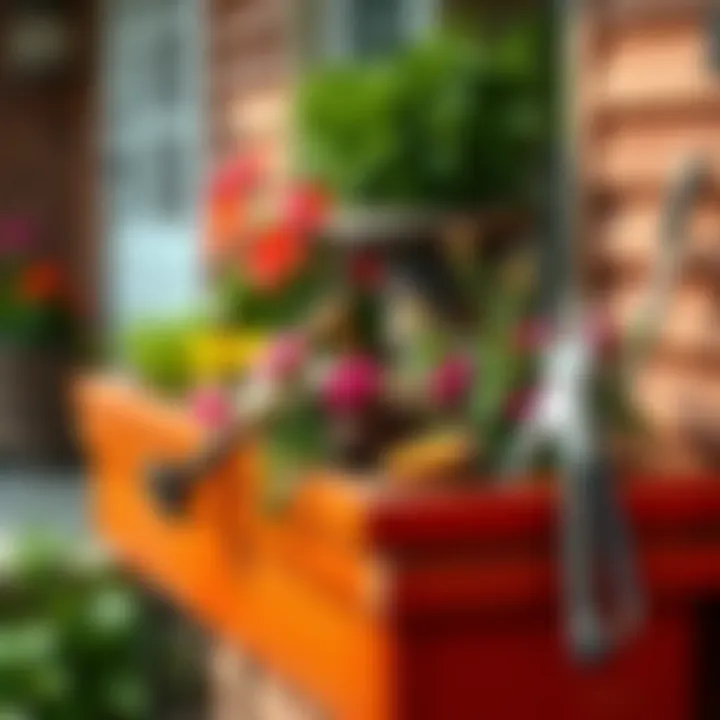
The decision between perennials and annuals comes down to personal preference, maintenance capabilities, and desired aesthetic. A smart strategy may involve mixing both types, creating a layered effect where annuals bloom while perennials provide structure.
Considerations for Sunlight and Shade
Sunlight plays a significant role in determining which plants will thrive in your flower boxes. Knowing the amount of sunlight your porch receives throughout the day can guide your selections effectively.
For porches drenched in sunshine, plants like succulents and calibrachoas can flourish under such conditions. These hardy options are not only visually striking but also drought-resistant, making them perfect for sunny spots where regular watering may be overlooked.
Conversely, shady porches may require plants that can thrive with less light. Options such as ferns, which add lushness with their delicate fronds, can work wonders. Other shade-loving choices include impatiens and begonias, which are excellent for adding colors without the intense light.
"When in doubt, choose plants that match the environmental conditions of your porch, ensuring they flourish comfortably."
Ultimately, understanding the light conditions will help homeowners in choosing the right mix that not only exuberates beauty but also promotes healthy growth of plants.
In summation, the selection of plants for flower boxes is an act of balancing aesthetics with environmental conditions. A well-considered approach can lead to delightful spaces that not only enhance the home’s charm but also echo the personal touch of the owner.
DIY Flower Box Projects
Embarking on DIY flower box projects invites homeowners to unleash their creativity while making a significant enhancement to their front porches. This engagement with your outdoor space fosters a connection with nature and allows for a personal touch that resonates with individual style and taste. The DIY approach not only proves cost-effective but also tailors the flower boxes to fit specific dimensions and decor themes, making it a practical solution to elevate your home's curb appeal.
Basic Construction Steps
Building your own flower boxes doesn’t have to be rocket science; it’s actually quite achievable with the right materials and guidance. Here’s a straightforward overview of the construction steps, ensuring that even novices can join the fun:
- Gather Materials: Start with untreated wood like cedar or pine, screws, wood glue, and protective sealing for longevity.
- Measure and Cut: Measure the desired dimensions for your flower box. A typical size is often around 24 to 36 inches in length and 10 to 12 inches in height. Use a saw to cut your pieces accordingly.
- Assemble the Box: Begin by securing the base and sides with screws and wood glue for added stability. Ensure that corners are square and everything fits snugly.
- Drainage Holes: Drill several small holes in the bottom for drainage. This is vital to prevent water from collecting and making the roots soggy.
- Finishing Touches: Once assembled, sand the edges to smooth out any rough spots. If desired, apply a weatherproof finish or paint to protect the box from the elements and match your decor.
"A handcrafted flower box not only showcases your plants but also speaks of your creativity and personal touch."
Customizing Designs for Personal Touch
After constructing a basic flower box, the fun really begins. Customization allows you to express yourself and make your flower box a true reflection of your personality. Here are a few ideas to spark that creative flair:
- Paint and Stain: Choose colors that complement your existing architecture. Bright colors can create a vibrant focal point, while natural stains accentuate the wood's beauty.
- Add Decorative Elements: Consider attaching decorative brackets or using stencils to paint patterns. You might even incorporate wooden letters or signs to give it a name, like "Peter's Paradise".
- Use Different Shapes and Sizes: Don’t feel limited to a rectangular design; experiment with circular, tiered, or vertical arrangements to enhance visual interest.
- Create Themed Displays: Tailor your flower box according to seasons or events. Use holiday decorations or seasonal flowers to keep the design fresh and engaging.
Combining the elements of personal touch with creativity and utility makes DIY flower boxes not just functional but a canvas for artistic expression. Thus, they’re an excellent opportunity for homeowners to showcase their style while enjoying the fruits of their labor with lush flower arrangements throughout the year.
Environmental Considerations
In today’s world, with the rise of environmental consciousness, it’s paramount to consider how our choices impact the planet. When it comes to flower boxes for front porches, being mindful of environmental aspects greatly enhances their appeal and functionality. By selecting eco-friendly materials and native plants, homeowners not only beautify their spaces but also contribute positively to the local ecosystem.
Sustainable Material Choices
Choosing sustainable materials for flower boxes is a pivotal step in creating a greener outdoor space. Instead of diving into the options of untreated wood, one might consider using recycled materials or reclaimed wood. These not only reduce waste but also bring a unique charm, marked with character from their previous lives.
Additionally, composite materials are also gaining traction. These hybrids, made from plastic and wood fibers, are both durable and resistant to the elements. They don’t just hold up over time; they also minimize the need for chemical treatments, further reducing your environmental footprint. If you opt for metal, think of aluminum, which can withstand weathering and usually comes from recycled sources.
Lastly, investing in responsibly sourced wood, like cedar or redwood, is a sound option because these woods are typically more sustainable. It’s a small step, but it can create lasting change.
Native Plants and Their Benefits
Planting native species in your flower boxes is not merely a trend; it’s an effective approach to supporting the local ecosystem. Native plants are more likely to thrive in the local climate, which means they require less water and fewer resources. They’re adapted to the soil conditions and pests of the area, leading to minimal need for chemical fertilizers or pesticides.
Here are a few noteworthy benefits of incorporating native plants:
- Biodiversity: By attracting local wildlife such as pollinators, songbirds, and beneficial insects, native plants foster biodiversity in your yard.
- Soil Health: They often have deeper root systems which help improve soil structure and prevent erosion.
- Less Maintenance: Due to their adaptability, native plants require less care, making gardening a more enjoyable and less labor-intensive activity.
Imagining your porch adorned with vibrant native blooms can be quite enchanting. From the solid purple of coneflowers to the gentle sway of bee balm, your flower boxes could not only stand out visually but also contribute to healing the environment.
"Incorporating sustainable materials and native plants into flower box design is more than aesthetics; it's an investment in the planet’s future."
By weaving these thoughts into your gardening endeavors, you’re not just tending to plants; you’re nurturing the earth itself.
Flower Box Trends and Innovations
In the world of gardening, flower boxes are evolving beyond simple containers for blooms. Their design and function are being rethought, giving homeowners and designers opportunities to enhance the beauty of their front porches. As these trends shift, understanding them can elevate how one approaches not just aesthetic preferences, but also practical gardening solutions. The significance of staying updated on these trends lies not only in aesthetic appeal but also in maximizing available spaces and promoting sustainable practices.
Vertical and Hanging Flower Boxes
Vertical and hanging flower boxes are a response to limited space often found in urban settings or smaller homes. These designs allow homeowners to express their creativity without sacrificing functionality or floor space. Vertical flower boxes come constructed in a manner to stack, which can serve as a dynamic focal point on a porch or patio. This multi-tiered approach is visually striking; it acts as a living artwork, bringing height and vibrancy to an area that might otherwise be overlooked.
Benefits include:
- Maximizing Space: These systems can fit into narrow areas, such as walls or fence lines, transforming seemingly dead spaces into green havens.
- Ease of Access: With plants at eye level, caring for them becomes less of a chore, especially for those with mobility challenges.
- Aesthetic Appeal: A cascade of blooms reacting to sunlight can create interesting shadows and play of light, making spaces feel alive.
“A vertical garden can turn a dull area into a vibrant visual experience, redefining how we think of gardening.”
Hanging flower boxes further push the envelope by creating dramatic displays in previously underutilized spots. Positioned above ground, they offer swagged lines of color and can be ideal for smaller gardens, patios, or even balconies. The trend to use these boxes constructed from lightweight materials means they can withstand weather elements and are easy to maintain.
Smart Planters for Modern Gardening
The advent of technology has seeped into gardening, creating what some refer to as ‘smart planters.’ These innovative flower boxes harness technology to optimize plant growth and simplify care. They are equipped with sensors that monitor soil moisture, sunlight, and temperature, often sending notifications to the homeowners via a smartphone app. This tech-savvy approach enables more individuals to engage with gardening, irrespective of their experience levels.
Benefits of smart planters include:
- Automated Watering Systems: Forgetting to water is a thing of the past. These planters can automatically dispense water when needed, ensuring healthy plants.
- Resource Efficiency: By tracking resource usage, they minimize waste, making them a choice for environmentally conscious individuals.
- Educational Features: Many smart planters come with guides and tips, essentially acting as gardeners for beginners. They can be a springboard to encourage new hobbyists to take up gardening full-time.
In sum, keeping up with the trends of vertical, hanging flower boxes, and smart planters enables a more engaging, sustainable, and visually appealing approach to home gardening. Homeowners are thus not just creating spaces for flowers but are integrating innovations that bring a new dimension to their outdoor aesthetics.
End
In summarizing the exploration of flower boxes for front porches, several significant points emerge that underscore their vital role in enhancing both the aesthetic and functional aspects of homes. Flower boxes serve not just as mere containers for plants; they transform ordinary entryways into visually stunning areas that elevate curb appeal and create welcoming environments. The blend of practicality and beauty encapsulated in these decorative elements offers a wealth of benefits for homeowners and design enthusiasts alike.
Recap of Key Points
- Aesthetic Enhancement: Flower boxes are instrumental in enhancing the visual charm of a home. By selecting appropriate plants and coordinating colors, they establish a harmonious appearance that complements the architectural style of the residence.
- Functional Value: Beyond aesthetics, flower boxes increase property value. A well-maintained front porch with vibrant plants can attract potential buyers, making a significant first impression.
- Material and Design Choices: The choice of materials such as wood, metal, or composite materials affects not only the overall look but also the longevity and maintenance needs of the flower boxes. Designers need to consider the climate and setting when making selections.
- Plant Selection and Arrangement: Seasonal planting strategies enhance the visual dynamics of flower boxes. A thoughtful arrangement of plants can ensure year-round appeal, adapting to changing seasons gracefully.
Final Thoughts on Aesthetic Impact
The allure of flower boxes extends beyond their immediate beauty. They possess the unique capability to reflect the personality and taste of homeowners, making a statement about style and care. Moreover, flower boxes foster a connection between architecture and nature, blurring the lines between the man-made environment and the organic world. This integration not only beautifies but also enriches the experience of those passing by or residing in the home.
In closing, embracing flower boxes as an integral part of porch design can yield an inviting and comforting atmosphere. The juxtaposition of striking florals against a home’s façade creates a captivating visual narrative that speaks volumes about one’s commitment to home aesthetics and community engagement. With careful consideration and creativity, flower boxes can transform front porches into flourishing displays that breathe life into any home.