
Montessori Foam Blocks: Benefits and Applications
Intro
In the realm of early childhood education, tactile experiences hold a great deal of weight. Montessori foam blocks are not just another plaything; they serve as essential tools in nurturing children’s development in various dimensions. They foster creativity, enhance spatial awareness, and cultivate problem-solving skills in young minds. As we journey through this guide, we will explore the significant role these foam blocks play within the Montessori ethos, while also providing practical insights on selecting the best options available in the market today.
Design Trends
Current Trends in Educational Play Materials
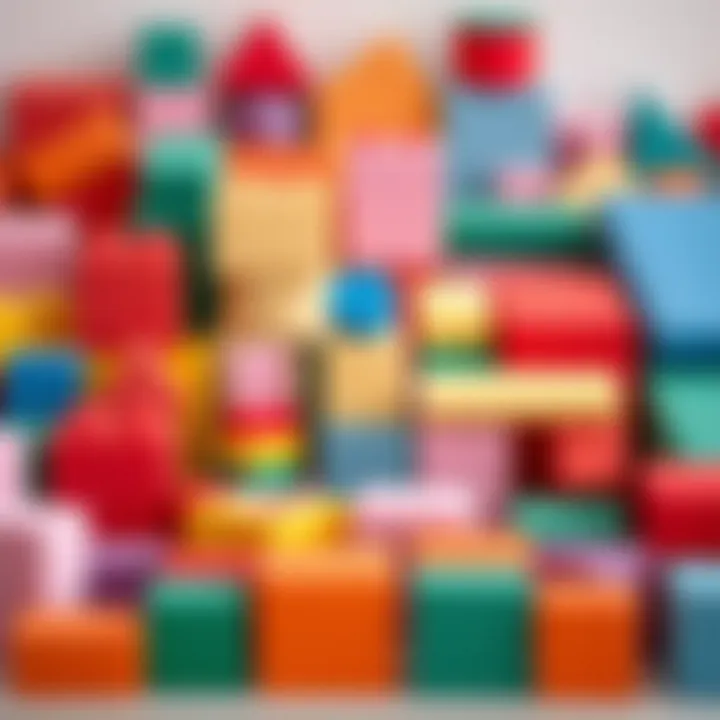
Educational toys have come a long way, and the design trends of Montessori foam blocks have seen a noticeable shift towards sustainability and functionality. Nowadays, parents and educators alike are looking for materials that are not only safe but also enriching. Eco-friendly options crafted from non-toxic foam take center stage, appealing to those who value both safety and environmental impact. The aesthetic appeal of these blocks is equally important, with modern designs featuring vibrant colors and shapes that invite exploration.
How to Incorporate Design Trends into Learning Spaces
To truly harness the power of foam blocks, one must consider how they fit into the overall learning environment. An open layout with a designated play area can significantly enhance engagement. Minimalism is a popular trend that allows foam blocks to shine. Consider mixing them with natural materials like wood or using soft textures to create a cozy nook. This approach not only fosters creativity but also encourages children to freely interact with their surroundings.
"The right environment can transform the ordinary into the extraordinary for a child's learning experience."
Color Palettes and Texture Choices
The colors and textures of foam blocks should serve intentional purposes. Soft pastels can create a calming atmosphere, while bright hues can stimulate interaction. Moreover, varying textures offer sensory experiences that are crucial for young learners. Choosing blocks in various shapes can also foster imaginative play, where children can construct anything from cities to fantastical structures.
Purchasing Guidance
Choosing the Right Foam Blocks for Different Age Groups
When it comes to selecting Montessori foam blocks, it is vital to consider the age appropriateness of your choice.
- Infants (0-1 year): Soft, lightweight blocks help develop motor skills.
- Toddlers (1-3 years): Larger blocks that can be stacked and knocked over enhance coordination and problem-solving.
- Preschoolers (3-5 years): Blocks that come in various shapes, sizes, and colors support complex construction and creativity.
Tips for Assessing Quality and Value
Not all foam blocks are created equal. Here are some tips to ensure you’re investing in high-quality products:
- Material Matters: Look for blocks made of non-toxic, durable foam.
- Ease of Cleaning: Select blocks that are easy to wipe down or machine washable for practical maintenance.
- Certifications: Check if the product complies with safety standards or has certifications that guarantee quality and safety.
By following these guidelines, parents and educators can make informed decisions that align with the educational philosophies of the Montessori method, ensuring that every child's learning experience is both safe and enriching.
For more on Montessori methods and materials, visit reputable sources such as Montessori.org and The Montessori Foundation.
Embracing Montessori foam blocks as play tools is more than a trend; it unlocks potential, creativity, and a love for learning in young children, shaping their future in profound ways.
Prolusion to Montessori Foam Blocks
Montessori foam blocks represent a unique intersection of play and education. They have garnered attention for their role in engaging children in hands-on learning experiences. Unlike traditional toys, these foam blocks invite creativity and exploration. In this section, we will delve into their significance and how they align with Montessori principles, emphasizing their multifaceted benefits for early learning environments.
Understanding the Montessori Method
At its core, the Montessori method is built on the idea that children learn best through self-directed activity and hands-on experiences. Learning is viewed as a natural process where children are encouraged to explore and discover at their own pace. Montessori foam blocks embody this approach by providing an open-ended material that fosters creativity. When children manipulate these blocks, they are not merely stacking; they are experimenting with balance, symmetry, and spatial relationships.
Parents and educators appreciate the Montessori method for its emphasis on respect for a child's intrinsic motivation to learn. Rather than feeling pressured or restrained by strict guidelines, children using foam blocks engage with their natural curiosity. This method showcases the importance of autonomy in learning—allowing kids to follow their interests while developing critical skills.
Additionally, foam blocks can be adapted to various educational settings. In a Montessori classroom, they can be used for math concepts, physics experiments, or artistic expression, making them highly versatile resources. This adaptability not only helps to kindle imagination but also promotes sustained interest in learning activities, cultivating a rich educational experience for all ages.
The Role of Play in Learning
Play is not simply an enjoyable pastime for children; it's a pivotal aspect of cognitive, social, and emotional development. Montessori foam blocks serve as a tool to turn play into a powerful learning experience. While children stack, build, and create, they inadvertently hone their problem-solving abilities and critical thinking skills.
As they navigate the physical properties of foam blocks—such as weight, texture, and structural integrity—children learn to make decisions, assess risks, and develop persistence in the face of challenges. Through trial and error, they grasp foundational concepts in geometry and engineering without even realizing they’re learning.
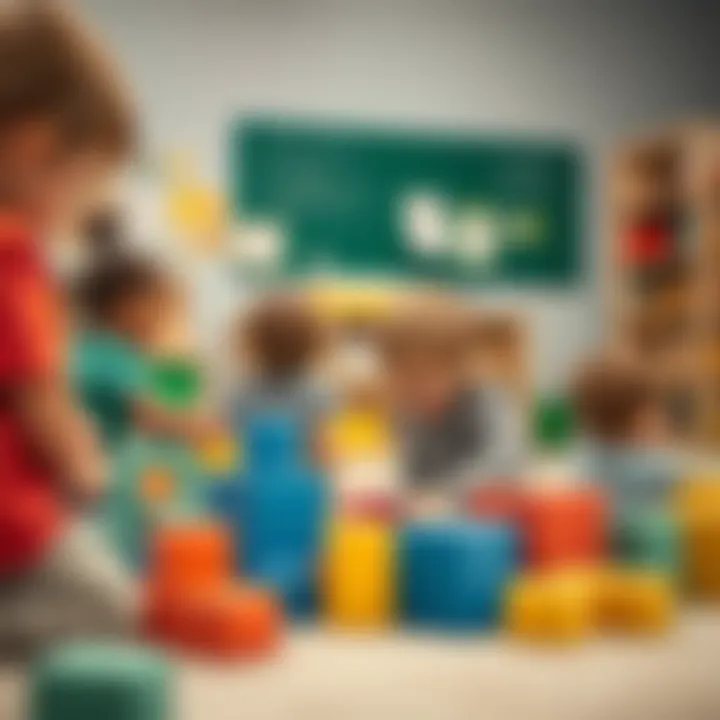
Furthermore, the collaborative play facilitated by foam blocks can nurture social skills. When multiple children engage with these blocks, they must communicate, negotiate, and share ideas. This interactive play echoes the dynamic nature of the Montessori classroom, where cooperation and community spirit are highly prized.
In essence, the role of play in learning cannot be overstated. Foam blocks encapsulate this philosophy beautifully, offering a tactile medium for exploration and discovery. As children engage with these blocks, they embark on a journey that intertwines fun with foundational learning.
Characteristics of Montessori Foam Blocks
When it comes to choosing the right tools for fostering development in young learners, Montessori foam blocks stand out. Their characteristics are not just about functionality; they reflect the Montessori philosophy of engaging a child's senses and sparking their imagination. In this section, we’ll explore two primary characteristics that make these foam blocks valuable educational tools: their material composition and safety standards, along with their design variability and aesthetic appeal.
Material Composition and Safety Standards
In any educational setting, particularly those focused on young children, safety cannot be overstated. The materials used in foam blocks must meet stringent safety standards to ensure they are non-toxic and suitable for children. High-quality foam blocks are typically made from EVA (ethylene vinyl acetate) foam, a material renowned for its durability and softness. This allows children to play freely without worrying about injuries that harder materials might cause.
Not only do these blocks provide a safe play environment, but they also must be tested rigorously for harmful substances. Products bearing certifications from recognized organizations like the Consumer Product Safety Commission (CPSC) indicate they adhere to safety regulations. This matters for retailers and parents alike who prioritize child safety.
A brief checklist to consider when evaluating foam block materials includes:
- Non-toxic certification (ASTM, CPSC)
- Durability testing to withstand wear and tear
- Resilience of the foam to maintain shape and integrity over time
By adhering to these standards, you can be assured that the foam blocks will support safe play, encouraging learning without compromising health.
Design Variability and Aesthetic Appeal
Aesthetics play a crucial role in educational tools. In Montessori philosophy, appealing designs enhance a child's engagement. Montessori foam blocks come in an array of shapes, colors, and sizes, which can inspire creativity and imagination. The flexibility in design not only captures a child’s attention but also encourages them to explore the properties of balance, symmetry, and geometry.
Colorful, varied shapes invite children to sort, stack, and create, providing a tactile experience that is often central to the Montessori method. Considerations here include the following:
- Bright colors that stimulate visual perception
- Variety of shapes to foster different types of play
- Sizes that allow for combinations and constructions
When children are involved in hands-on learning, their creativity flourishes. They experiment with different configurations, building towers or even whole structures, thereby developing problem-solving skills and spatial awareness. The visual appeal of these blocks not only makes them attractive but also helps children associate play with learning, creating a rich educational experience.
"The best product may not always be the most expensive; it’s the one that meets needs, sparks joy, and complies with safety standards."
In summary, characteristics of Montessori foam blocks are pivotal for both quality play and learning. The right materials promote safety, while thoughtful designs invite engagement, spark creativity, and uphold the very essence of the Montessori approach to education.
Developmental Benefits of Using Foam Blocks
Understanding the developmental benefits of using foam blocks in early childhood settings is crucial for educators and parents alike. These blocks are not just colorful and fun but serve as powerful tools for children's growth and learning. They engender several areas of development, from physical skills to social interactions, ultimately contributing significantly to a child's holistic growth.
Enhancing Motor Skills
One of the most apparent benefits is the enhancement of motor skills. When children engage with foam blocks, they undergo a delightful range of physical activities. Here are several ways that foam blocks contribute to motor development:
- Gross Motor Skills: Lifting, stacking, and balancing blocks demand coordinated movements, which enhance strength and control. Kids often find themselves pushing large pieces or climbing over structures they’ve built, all of which requires a good amount of coordination.
- Fine Motor Skills: Manipulating smaller foam pieces allows children to practice grasping and precision. This activity not only aids in dexterity but also prepares their hands for future tasks like writing.
"It's like a mini gym for little fingers and arms!"
Through creative play with foam blocks, children are unknowingly training their muscles. These opportunities for physical play are vital, especially in an era where technology often dominates life.
Stimulating Cognitive Development
Beyond physicality, foam blocks are rich in potential for cognitive growth. They stimulate curiosity and problem-solving abilities through hands-on experience. Here are just a few cognitive benefits:
- Spatial Awareness: As they build and topple structures, children develop spatial reasoning skills. Understanding how blocks fit together and the cause-and-effect relationships involved helps in conceptualizing space and form.
- Critical Thinking: Children learn to strategize and plan their constructions. They start to experiment with balance and weight distribution, gradually understanding concepts such as symmetry and gravity.
- Imaginative Play: Foam blocks can transform into anything from castles to vehicles, stimulating imaginative thinking. This kind of play aids in narrative development and enhances creativity.
In effect, foam blocks are not mere toys; they provide rich contexts for children to solve problems and think critically, laying critical groundwork for future learning.
Fostering Social Interaction
The social aspect of play is another significant benefit of foam blocks that shouldn't be overlooked. When children interact with one another during block play, they strengthen their social skills in multiple ways:

- Collaboration: Building together often requires teamwork. Kids learn to negotiate roles, share ideas, and make decisions collectively, which fosters cooperation.
- Communication: While engaged in play, children express themselves verbally and non-verbally. They learn to articulate ideas and respect others’ perspectives, enhancing interaction skills.
- Conflict Resolution: It's a natural occurrence for disagreements to arise during cooperative play. Navigating these challenges gives children hands-on experience in conflict resolution, teaching them how to navigate differences in opinion effectively.
Thus, foam blocks do more than offer sensory experiences; they encourage children to develop essential interpersonal skills, which are indispensable as they grow older and enter larger social networks.
Through all these avenues—motor, cognitive, and social—foam blocks emerge as multidimensional tools in child development, encapsulating the essence of active and engaged learning. As we explore further practical applications and creative uses in educational settings, the foundations laid through such interaction with foam blocks truly warrant a closer look.
Practical Applications in Educational Settings
When it comes to early childhood education, integrating tools like foam blocks can exponentially enhance the learning experience. Using Montessori foam blocks in educational settings isn’t just about having fun; it’s a strategic move to foster comprehensive development. Foam blocks become an integral part of the classroom, providing hands-on engagement that aligns beautifully with the Montessori philosophy. Here, I will discuss various dimensions of applying foam blocks in educational settings, focusing on two critical areas: curriculum integration and classroom layout.
Integrating Foam Blocks into Curriculum
Incorporating foam blocks into the curriculum can seem delicate, but the merits are hard to ignore. These versatile materials serve as a bridge between playful exploration and structured learning objectives. For example, teachers can craft specific activities that encourage children to use foam blocks for various purposes, like constructing a model of their dream house or designing a bridge. This sort of project not only kindles imagination but also lays down the groundwork for understanding concepts in architecture and engineering.
- Math Skills: While playing, children can stack blocks and compare heights, thus naturally diving into basic mathematics, like addition and subtraction, without the pressure of formal instruction.
- Science Connection: As they build, kids can discuss concepts such as balance, gravity, and stability, laying a foundational understanding of physics.
- Language Development: Incorporating storytelling with block play allows for an expanded vocabulary. Teachers can ask children to describe their creations, boosting communication skills.
Engagement can be enhanced by including thematic projects, aligning block use with broader educational goals. This strategy also promotes a collaborative environment, where children learn to work in teams, thus strengthening social bonds.
Classroom Layout and Organization
The arrangement of the classroom reveals a lot about how effective learning can be. A thoughtfully organized space that incorporates foam blocks can transform the dynamics of a classroom. Instead of being mere decorations, these blocks can have dedicated areas for exploration. Here are some tips to effectively arrange your classroom:
- Defined Zones: Create specific zones in the classroom where foam blocks are the focus. These could range from a building zone for construction to a story corner where blocks are used to narrate tales.
- Accessible Storage: Ensure that foam blocks are easily accessible. Children are more prone to use materials that they can reach without hindrance. Consider using bins or shelves that allow for easy retrieval and storage, so when inspiration strikes, it isn’t dampened by logistical challenges.
- Flexible Arrangement: A flexible layout is ideal since the nature of play can change dynamically. Being able to adjust the space to pivot between small group work and larger cooperative projects can keep the energy flowing.
- Incorporating Other Materials: Foam blocks shouldn’t sit alone. Pair them with other sensory materials, like fabric, sand, or water, to provide a multifaceted sensory experience.
"The best classrooms are alive with chatter, laughter, and the sounds of creative play. Foam blocks bring this vibrancy to life!"
Selecting High-Quality Foam Blocks
Selecting high-quality foam blocks is pivotal for creating an enriching learning environment that aligns with the Montessori principles. The right foam blocks not only enhance the physical play experience but also ensure safety and longevity, ultimately contributing to a child’s developmental journey. When choosing foam blocks, it's essential to delve into aspects such as material, design, and assurance of their safety standards.
Key Features to Consider
When evaluating foam blocks, focus on particular features that can significantly influence their effectiveness and safety:
- Material Quality: Look for blocks made from high-density foam or EVA materials. These are robust and allow for safe, tactile play. Non-toxic and BPA-free options are essential for peace of mind.
- Size and Weight: Blocks should be appropriately sized for little hands. Large enough to build with ease but light enough for children to maneuver without exhausting themselves.
- Textural Variety: Different textures stimulate sensory exploration. Look for foam blocks that incorporate varied surface designs to engage touch senses.
- Color and Aesthetics: Bright colors can enhance interest and engagement in play. However, opting for a balance between vibrant and calming allows for versatile play environments, keeping sensory overload in check.
- Interchangeable Shapes: Blocks that come in various shapes inspire creativity and problem-solving as children can combine them uniquely each time.
"Quality foam blocks can make a world of difference in encouraging creativity while fostering cognitive skills. It's not just about play; it's about potential."
Evaluating Brands and Products
Investigating different brands and products is essential to ensure you choose the best foam blocks. Here are some strategies:
- Research Brand Reputation: Look for brands with a history of producing high-quality educational toys. Reviews and ratings can provide insight into their durability and safety standards they follow.
- Read Reviews: After narrowing down potential options, consult reviews on platforms like Amazon, educational toy retailers, or parenting forums on sites such as Reddit and Facebook. The experiences of other parents and educators can guide your decision-making.
- Certifications: Check for safety certifications like ASTM, EN71, or similar endorsements. Certified products adhere to strict safety standards, thus assuring you of their child-friendly nature.
- Return Policies and Warranties: Evaluating a brand's customer service policies can save you trouble down the road. Quality brands often provide warranties or satisfaction guarantees, signaling their confidence in their products.
- Compare Prices: High-quality options can be a bit pricier, yet, don't shy away from spending a bit more for improved safety and longevity. Look for sales or package deals from trustworthy retailers to get the best bang for your buck.
Creative Uses Beyond the Classroom
The utility of Montessori foam blocks stretches far beyond the confines of a classroom. This multi-faceted resource holds an incredible potential to enrich a child's life in various environments. Children grow and learn not just through structured lessons, but also in the unstructured moments they spend at home and outside. This section explores how foam blocks can enhance play in domestic settings and outdoor adventures, making them a versatile tool for parents and caregivers.
Home Play Environments
In the comfort of their own homes, children can engage with foam blocks in countless imaginative ways. These blocks invite creativity into everyday play. Kids can design intricate structures, recreate scenes from their favorite stories, or even engage in pretend play by using the blocks as props or characters. The possibilities are nearly as limitless as their imagination.
When one considers an effective home play environment, it's essential to foster a space that encourages exploration and creation. Setting up a specific play area with foam blocks can help stimulate a child's creativity. With soft, lightweight foam, safety is less of a concern than with traditional building materials like wood or plastic. Here are some practical tips for integrating foam blocks into home environments:
- Designate a Play Zone: Create a specific area for block play. This could be a corner of a living room or a dedicated playroom.
- Incorporate Themes: Add elements that align with current learning themes or interests. For instance, if your child loves space, a cosmos-themed play area could ignite more imaginative constructions.
- Encourage Collaboration: Encourage siblings or friends to join in, promoting teamwork and social skills.
Making space for unstructured play is critical as well, aimed at fostering independence in thought and action. Children learn to solve problems on their own when they are allowed the freedom to play without much supervision.
Outdoor Activities with Foam Blocks
Taking foam blocks outdoors opens up a whole new realm of possibilities for creative play. Imagine your child arranging blocks to construct a fort in the backyard or crafting pathways in the park. Such outdoor play introduces elements of nature, which can stimulate further creativity and engagement with the environment.
Outdoor activities also take on the added benefit of physical exercise. While players manipulate and move blocks, they engage in levels of physical activity that help develop their motor skills in an enjoyable way. Here are some ideas for outdoor activities:
- Obstacle Courses: Set up a series of challenges using foam blocks where children can climb over them, crawl under them, or use them for balance.
- Nature Integration: Use the blocks alongside natural materials like branches and leaves to create decorations or structures that meld with the surrounding landscape.
- Games and Competitions: Organize friendly contests for building the tallest tower or the most intricate design, adding an element of camaraderie.
Such outdoor engagements not only promote physical development but also enhance creative thinking in an open space filled with inspiration.
Moreover, combining indoor creativity with outdoor exploration enriches a child's learning experiences. The tactile nature of foam blocks invites children to use their senses as they play, making each session fruitful for cognitive and emotional growth. As they manipulate the blocks, they learn about balance, symmetry, and even some physics principles—if a block tumbles, what made it fall? These lessons are rooted in fun, which makes the learning all the more impactful.
As we can see, the creative uses of foam blocks stretch well beyond traditional classroom applications. They hold value in home-based play environments as well as outdoor activities, offering holistic growth opportunities for young children.
Challenges and Considerations
In the realm of educational toys, Montessori foam blocks stand out for their multifaceted benefits in child development. Yet, like any product, they do come with their own set of challenges and considerations that both parents and educators must keep in mind. Addressing these concerns not only enhances the experience of using the foam blocks but also safeguards the well-being of children involved in play.
Potential Durability Issues
Foam blocks, while lightweight and often easy to manipulate for small hands, can present durability challenges over time. Many of these blocks are designed with soft materials, making them perfect for young learners but also susceptible to wear and tear.
- Common Issues:
- Surface Damage: Frequent use can lead to scratches or dents. Children tend to push blocks around or drop them, which might not damage the block severely but could affect the visual appeal.
- Compression: After extensive use, foam blocks may lose their firmness, rendering them less effective in supporting various play activities.
Durability concerns compel parents to invest in higher quality blocks. It can be quite a bummer when a child’s favorite toys don’t withstand the test of time. As you shop around, look for foam blocks that boast higher density materials; these might cost a little extra but are worth it in the long run. Finding the right balance between softness for safety and sturdiness for longevity is key or else, you might find yourself replacing them all too often.
"Choosing the right materials can make all the difference. Opting for blocks that can endure rough play will save both time and money."
Ensuring Non-Toxic Features
Another vital aspect to consider when it comes to selecting Montessori foam blocks is the safety of the materials used. Non-toxic features are crucial for any product intended for children, especially when it comes to toys that may inevitably find themselves in little mouths.
- Why Non-Toxic Matters:
- Health Risks: Toys that are not made from safe materials may expose children to harmful chemicals or toxins that could have long-term effects on their health.
- Peace of Mind: Knowing that the foam blocks are free from harmful substances enables parents and educators to focus on learning without worry.
When evaluating foam blocks for non-toxic qualities, you should look for certifications indicating that the product complies with safety standards. Labels from organizations like American Society for Testing and Materials (ASTM) or Consumer Product Safety Commission (CPSC) can come in handy here. It’s wise to read labels carefully and to reach out to manufacturers for detailed information about materials if necessary; children’s welfare hinges on this diligence.
End and Future Outlook
The journey through Montessori foam blocks not only highlights their value in early childhood education but also paints a vivid picture of how educational toys continue to evolve. In the context of this article, the importance of a solid conclusion is paramount; it serves as a wrap-up, tying together insights from previous sections and demonstrating the relevance of these playful tools in nurturing developmental milestones for young learners. The future isn't just about play—it’s a dynamic interplay of education and creativity.
The Evolving Landscape of Educational Toys
The landscape of educational toys has undergone significant changes over the years. Today’s toys increasingly focus on developmental relevance, emphasizing not just functionality but also engagement. Foam blocks exemplify this shift. Their versatility allows children to experiment, manipulate, and create, honing skills in an organic manner. However, it’s vital to remain abreast of emerging trends that prioritize safety, inclusivity, and sustainability.
Here are several points to consider when exploring future educational toys:
- Adaptability: Toys must accommodate diverse learning styles and environments, fitting into both homes and classrooms effortlessly.
- Technology Integration: While traditional play is essential, tech can enhance experiences; mixed reality and educational apps offer innovative engagement pathways.
- Sustainability: As environmental concerns grow, manufacturers are leaning towards eco-friendly materials that don’t compromise children’s safety.
- Inclusivity: Products are increasingly designed to cater to children of all abilities, ensuring every child has the opportunity to play and learn.
In this active landscape, foam blocks stand out not just as static objects but as catalysts for imaginative and tactile exploration. Their continued success in educational environments points to a future where play remains a vital part of learning and development.
Continuing the Montessori Philosophy
The Montessori philosophy emphasizes respect for a child's natural development, fostering independence and self-motivation. Foam blocks resonate deeply with these principles. They provide an opportunity for tactile learning experiences, encouraging young minds to explore, discover, and invent without the confined bounds of structured play.
In continuing this philosophy:
- Encourage Exploration: Allowing children to use foam blocks as they see fit nurtures creativity. Instead of directing how to stack or arrange them, giving them freedom to experiment ensures their learning is intrinsic.
- Emphasize Collaboration: Group play with foam blocks develops social skills, communication, and collaborative problem-solving, essential aspects of the Montessori method.
- Integrate Lessons: Using foam blocks can introduce concepts like geometry, balance, and gravity, blending play with essential academic learning. This aligns perfectly with the Montessori approach, which values real-world connections in education.
Ultimately, the continuity of the Montessori philosophy will facilitate the evolution of foam blocks into an even more significant role within both educational and home environments. By emphasizing constructive play, sensory interactions, and personal creativity, we pave the way for children to develop as capable and confident individuals.
"Education is a natural process carried out by the child and is not acquired by listening to words but by experiences in the environment." - Maria Montessori