Exploring the Versatile Nature of Small Upholstered Chairs


Intro
Small upholstered side chairs often serve as unsung heroes of interior design, subtly blending style with functionality. These versatile pieces complement various spaces and can suit any decor. Their charm lies not only in their appearance but also in their ability to enhance the overall atmosphere of a room. As homeowners, designers, and enthusiasts navigate the intricate tapestry of modern interiors, understanding the significance of these chairs becomes pivotal.
In many homes, side chairs provide a cozy nook, a spot for relaxation, or a practical seating option in high-traffic areas. They can be utilized in living rooms, bedrooms, home offices, and more, adapting seamlessly to the changing demands of our lives. With an array of styles and materials available on the market, these chairs invite creativity and personal expression. Whether you prefer a classic look or a more contemporary flair, there’s an upholstered side chair that can resonate with your aesthetic preferences.
Understanding the multifaceted appeal of these chairs not only emphasizes their practical use but also unveils their role in spatial dynamics. From adding depth and texture to a room to encouraging conversations in an intimate setting, the right side chair can transform a space into something inviting and cohesive.
With this article, we shall delve into current design trends, buying guides, and other essential factors that highlight both the aesthetic and functional value of small upholstered side chairs. By the end, readers will be equipped with insights that could enhance their understanding of this often-overlooked aspect of interior design.
Preamble to Small Upholstered Side Chairs
Small upholstered side chairs represent a unique blend of function and aesthetics that captivates both homeowners and interior designers alike. These versatile pieces not only serve as extra seating but also play a significant role in enhancing the style and comfort of living spaces. In today's design landscape, where maximizing space is often a priority, the importance of small side chairs cannot be overstated.
First and foremost, these chairs provide a practical solution in various settings. Whether nestled in a cozy corner of a living room, used as an accent piece in a bedroom, or adding seating in a hallway, they adapt to diverse environments with ease. Unlike larger furniture, their smaller footprint allows them to fit into tighter spaces while still making a statement.
Additionally, the stylistic possibilities are nearly limitless. From modern to vintage designs, the wide range of colors and fabrics available means that anyone can find a chair that complements their decor. Imagine a vibrant velvet chair sitting next to a subtle, neutral-toned sofa. The contrast speaks volumes about the owner's taste and attention to detail.
Small upholstered side chairs also serve functional purposes beyond aesthetics. Designers often emphasize the importance of creating spaces that are both inviting and practical. By offering additional seating options, these chairs can facilitate conversations, making them essential for both intimate gatherings and larger social events. The ergonomic considerations also cannot be ignored. Many designs prioritize comfort, ensuring that guests feel welcome and relaxed.
"The value in small upholstered side chairs is not merely their size, but how they enhance the overall harmony of a room."
When choosing the right small upholstered side chair, one must consider the intended use, the design language of the room, and the durability of the materials. Great care should be taken to select pieces that provide comfort and last over time, especially in high-traffic areas. This careful consideration ensures both personal satisfaction and value for money.
Historical Context
Understanding the historical context of small upholstered side chairs is key to appreciating their significance in modern design. These pieces of furniture have not just adapted through the ages but also mirrored societal changes and evolving design philosophies, making them rich subjects of study. Exploring their journey enables us to see how they have maintained relevance and appeal in a fast-changing environment.
Evolution of Upholstered Chairs
The history of upholstered chairs can be traced back to ancient civilizations, where fabric was first introduced as a way to enhance the comfort of hard surfaces. Early forms of upholstered seating appeared in the Middle Ages, often reserved for the elite, embodying status and craftsmanship. For instance, chairs found in castles were lavishly decorated, hinting at the owner’s wealth and taste.
During the Renaissance, the art of upholstery took a notable leap forward. Craftsmen began integrating various fabrics, down, and intricate patterns, making chairs not only comfortable but also aesthetically pleasing. By the Victorian era, upholstered chairs became common in households, showcasing elaborate designs that reflected the ornate style of the times.
Fast forward to the 20th century, and we see a dramatic shift in design ethos with movements such as Art Deco and Mid-Century Modern. These styles emphasized simplicity and function, reshaping the way upholstered side chairs were viewed. This transition led to the introduction of new materials, like molded plywood and metal frames, giving a fresh perspective to classic upholstery.
Cultural Significance
The cultural significance of small upholstered side chairs goes beyond their aesthetic and functional roles. They’ve found a place in various social and cultural settings, often symbolizing taste and personality. In many homes, a side chair is not just a piece of furniture but a conversation starter, showcasing the owner’s style and values. They also play a pivotal role in creating gathering places, be it around a living room or at a café.
In different cultures, the motifs and materials used in upholstering these chairs can convey deeper meanings. For example, in Asian traditions, certain colors and fabrics are believed to bring luck and prosperity, while in Western contexts, certain designs echo historical movements and societal shifts.
"The small upholstered side chair is a silent witness to our lives, reflecting tastes that change with the wind of cultural evolution."
Overall, the historical journey of upholstered chairs reveals how they have been more than just functional objects. They represent an intersection of craftsmanship, comfort, and cultural expression, making them relevant to both past and contemporary interiors. This understanding lays the groundwork for appreciating their multifaceted appeal in today’s design landscape.
Design Aesthetics
Design aesthetics play a pivotal role in defining the charm and functionality of small upholstered side chairs. As we spend more time curating our living spaces, the aesthetics of furniture—its shape, color, and overall impression—take front and center. These chairs not only serve practical purposes but also contribute significantly to the beauty and mood of a room. Within this section, we will explore key aspects such as color and fabric choices, as well as how architectural elements influence the design of these chairs.
Color and Fabric Choices
The colors and fabrics selected for small upholstered side chairs can make or break a room's design. Colors evoke feelings and set the atmosphere; for instance, a soft pastel hue can create a calm oasis, while a vibrant red could bring energy and warmth. The fabric choice, whether it be velvet, linen, or even faux leather, adds texture and depth. Each material brings its own story. High-performance fabrics stand up to everyday use; this is particularly crucial for chairs often frequented by guests or family members.
Imagine a deep emerald green velvet chair nestled next to a neutral sofa, pulling the eye and making a statement amidst a sea of subdued tones. Such a choice can transform an ordinary corner into a favorite gathering spot.
When selecting colors, consider these factors:
- Compatibility with Existing Decor: Ensure that the chosen colors harmonize with the rest of the space.
- Personal Preference: Bright or muted colors should resonate with your individual style.
- Functionality: Lighter colors may show stains more easily, while darker colors can offer comfort and an easy-going feel.
In addition to color, the texture of the fabric plays a significant role in the chair's appeal. Some fabrics have a soft, inviting finish, while others might have a more durable, utilitarian feel. Mixing textures can also create an interesting visual dynamic, enhancing the overall aesthetic of your living area. A cotton-linen blend paired with a smooth leather could be just the right combination to strike balance.
Architectural Influence
The architectural context in which small upholstered side chairs are placed greatly affects their design. Consider a mid-century modern home with clean lines and angular walls; chairs with minimalist geometric shapes would complement this setting beautifully. On the other hand, a cozy, rustic cabin might benefit from side chairs that feature rounded edges and warm, earthy fabrics.
Certain architectural styles call for specific forms of furniture:
- Modern: Sleek, low-profile designs that prioritize functionality
- Traditional: Ornate details, plush seating that evokes a sense of nostalgia
- Industrial: Merging metal and fabric for a raw, unfinished look
This connection between architecture and design is not merely functional; it speaks to an emotional resonance, establishing a sense of belonging and immersivity within the space. A side chair might seem like a simple addition, yet when chosen with the right architectural environment in mind, it becomes a harmonious element, enhancing the home’s overall narrative.
In summary, the design aesthetics of small upholstered side chairs transcend their physical presence. They speak volumes about comfort, style, and the intentionality behind the choices made for a living space.
Functional Aspects
When it comes to small upholstered side chairs, functionality weaves a narrative that enhances both form and purpose within a space. These chairs serve practical roles while simultaneously contributing to the aesthetic tapestry of a room. Their compact size pairs perfectly with versatility, making them a choice for varied settings, whether it’s a cozy nook or a bustling office reception area.
Versatility in Use
The adaptability of small upholstered side chairs is nothing short of impressive. They fit seamlessly into many situations, flexing to the needs of the user. For example, in a small apartment, these chairs can act as a dining spot when guests arrive, a reading chair in a corner, or a stylish addition to a hallway table. In commercial settings, they can provide comfort in a waiting area or serve as accent pieces for meeting rooms.
Moreover, the lightweight design of most small upholstered side chairs makes it easy to reposition them. You could stack them against a wall when not in use or move them outside for a sunny afternoon gathering. This versatility encourages creativity; you could combine various styles, colors, and materials throughout your home or office, adapting the look as your design preferences evolve over time.
"The magic of small upholstered side chairs lies in their ability to transition between diverse environments, proving that a piece of furniture can do it all."
Ergonomics and Comfort
A significant aspect often overlooked is the ergonomic design of these chairs. Manufacturers nowadays are increasingly mindful of comfort, taking into account how users interact with the surface and support of these chairs. Well-constructed side chairs offer favorable lumbar support, which is crucial for long periods of sitting. Choosing a chair with an appropriately angled backrest and cushioned seat can drastically improve the user experience.
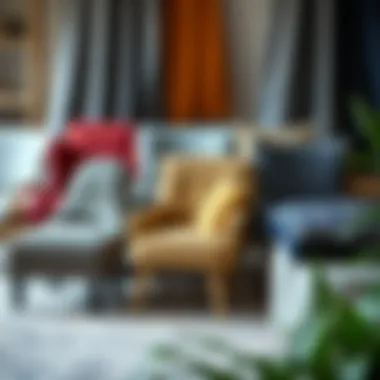
Finding chairs that promote good posture while being inviting is essential. Take, for example, a well-upholstered chair with a soft fabric that hugs your body and keeps you cool on a warm day. On the flip side, selecting chairs with harder materials might be less forgiving over time, leading to discomfort for users who may linger in them.
Additionally, personalization adds another layer to comfort; selecting fabrics that are soft and breathable can enhance the seating experience. This attention to ergonomics not only uplifts comfort levels but also transforms small upholstered side chairs into indispensable pieces — perfect for work, relaxation, or socialization.
Ultimately, considering functional aspects such as versatility in use and ergonomic benefits cultivates a deeper understanding of what these small upholstered side chairs bring to contemporary interior design.
Spatial Dynamics
Understanding spatial dynamics is crucial when integrating small upholstered side chairs into any living space. These pieces not only serve functional purposes but also play a pivotal role in enhancing the overall aesthetic and flow of a room. Spatial dynamics refers to how furniture interacts with the dimensions and layout of a space—how it conveys a sense of balance, proportion, and harmony.
Small Spaces and Their Challenges
Navigating the intricacies of small spaces can be akin to solving a jigsaw puzzle; you have to fit pieces together while considering functionality and style. Small upholstered side chairs are a fantastic solution, but there are challenges. One common issue is the potential for overcrowding. Stuffing a room with furniture can make it feel cramped, overshadowing the beauty of even the most exquisite designs. Additionally, careful attention must be paid to the scale of the chair in relation to other furnishings. You wouldn’t want a towering chair against low-slung couches, which can disrupt the visual interest.
Consider layout strategies such as grouping several small chairs to create a cozy seating area, or placing a singular chair in a corner for a reading nook. By being strategic, it's possible to maintain an open conversation space while still benefiting from the comfort these chairs provide. Also, opting for elevated chairs can create a sense of openness, allowing light to travel through the space, giving an illusion of grandeur.
Creating Balance with Side Chairs
Incorporating small upholstered side chairs is like adding the final touch to a masterpiece; they can elevate the space while creating balance. Think of balance in terms of color, texture, and visual weight. A vibrant chair might stand out in a muted room, adding a pop of personality that liven it up. Conversely, for a space that features a lot of bold pieces, a subtle chair can help anchor the design without overpowering it.
Another noteworthy balance technique involves symmetry. Place two upholstered chairs opposite a couch, flanking a coffee table, which can create a cohesive look that feels intentional. Alternatively, asymmetrical arrangements can bring a casual charm to the decor, making the area feel inviting yet sophisticated. Each configuration communicates something different, allowing homeowners and designers to express unique tastes while optimizing the space's functionality.
"Spatial dynamics go beyond mere aesthetics; they curate moods and experiences that echo throughout a room."
Styles and Trends
Understanding styles and trends in small upholstered side chairs is crucial for anyone looking to make informed decisions in home decor or commercial spaces. It reflects not only the changing tastes of society but also highlights how these preferences affect functionality, comfort, and overall aesthetic appeal. As fashion in furniture evolves, side chairs adapt to encapsulate various themes from classic to contemporary, ensuring their place in diverse environments.
The significance of styles cannot be understated. Choosing the right design can enhance a room's coherence and aesthetic. Furthermore, styles carry cultural and historical contexts that resonate differently with various audiences. For designers and retailers, grasping these trends allows for effective marketing strategies, while homeowners and DIYers benefit from curated choices that align with their personal tastes and functional needs.
Contemporary and Minimalist Designs
In the world of small upholstered side chairs, contemporary and minimalist designs are often seen as the vanguard of modern decor. These chairs are characterized by clean lines, a lack of ornamentation, and an overall simplicity. This design ethos tends to favor neutral colors and geometric shapes that can seamlessly fit into any space, providing both elegance and practicality.
Some benefits of these designs include:
- Timelessness: Minimalist styles often age well, maintaining their appearance over time.
- Versatility: Such chairs can complement various design styles, making them ideal for mixed environments.
- Space Efficiency: Their lightweight and compact nature allows for easy manipulation in smaller spaces.
In terms of materials, contemporary chairs may use sustainable fabrics, innovative foams, and particle-board constructions. Hence, homeowners often find them more appealing due to environmental concerns. We can see the influence of brands like Muuto and Hay, which emphasize modern Scandinavian aesthetics.
"Minimalist doesn't mean bland. It's about smart choices and embracing the power of simplicity."
Retro and Vintage Influences
In contrast to contemporary styles, retro and vintage influences draw significantly from past designs, celebrating history while reinterpreting it for today's audience. These chairs often tell a story, characterized by distinctive shapes, elaborate patterns, and vibrant colors. Whether it's a mid-century modern piece or a classic baroque design, these upholstered side chairs evoke nostalgia and charm.
Key features of retro and vintage chairs may include:
- Bold Colors: Using bright and eye-catching hues like mustard yellow or teal to create focal points in a room.
- Unique Patterns: Fabrics featuring geometric shapes or floral designs that reminisce past decades.
- Artisanal Craftsmanship: Many vintage chairs boast craftsmanship that's hard to find in mass-produced items today.
While decorating with these pieces, it is essential to consider their surroundings. A single vintage chair can become a standout item in a modern space, promoting visual interest and conversations. Brands like West Elm and Anthropologie often highlight these styles, allowing for a mix-and-match approach that suits both traditional and contemporary tastes.
By exploring styles and trends in small upholstered side chairs, homeowners gain insight into harmonizing their spaces while indulging their aesthetic preferences. For anyone keen on enhancing their living area, understanding these trends is not merely about current fashions but forging connections to personal history and modern living.
Material Considerations
When selecting small upholstered side chairs, the materials used hold considerable weight. They not only determine the chair's aesthetic but also influence its durability and overall performance. Understanding the materials involved can help homeowners and designers make informed choices that align with both style and functionality.
Key Factors to Consider:
- Durability: Materials must withstand daily use and retain their appeal over time.
- Comfort: Upholstery should enhance sitting experiences, as comfort is paramount in seating selection.
- Maintenance: Some materials require more care than others, affecting long-term ownership satisfaction.
Wood vs. Metal Frames
When it comes to choosing the right frame for small upholstered side chairs, wood and metal are the two predominant options. Each material brings its own set of advantages and nips at the same stylistic desires.
- Wood Frames:
- Metal Frames:
- Warmth and Versatility: Wood exudes a natural charm that can fit any design scheme—from rustic farmhouse to sleek modern. Oak, walnut, and maple are popular choices thanks to their sturdiness and aesthetic appeal.
- Repairability: Wooden frames can often be repaired or refinished, extending their functional life.
- Contemporary Vibe: Steel or aluminum brings a modern edge to the design, often associated with minimalist aesthetics. The clean lines of metal can complement a variety of furniture styles, enhancing visual appeal.
- Strength and Stability: Metal frames are typically lighter than wood but equally sturdy, making them an attractive option for frequently moved furniture.
- Rust Resistance: Many metal options come with finishes that resist rust and corrosion, ideal for humid environments.
Overall, the choice between wood and metal should consider the intended aesthetic—do you lean towards warmth or a sleek, modern look? This decision also ties back to how often you plan to move or rearrange your furniture.
Fabric Durability and Maintenance
The fabric that's wrapped around the chair frames can make or break their long-term appeal. Fabrics not only contribute to the chair's comfort but also define its upkeep level.
Considerations for Fabric Selection:
- Durability: Look for materials like microfiber, leather, or high-quality synthetics that can resist wear and tear.
- Stain Resistance: Choosing fabrics with built-in stain-resistance adds a layer of convenience, especially in homes with children or pets.
- Maintenance Ease: Some fabrics are dry clean only, while others can simply be wiped down. It's wise to factor in how much effort you’re willing to put into maintaining your chairs.
"The quality of the upholstery fabric can influence not only the chair’s appearance but also the experience of using it over the years."
In summary, the combination of frame material and upholstery fabric ultimately determines the chair's practicality and longevity. Selecting wisely ensures that your small upholstered side chair is not just a pretty face, but a long-lasting staple in your living space.
Selecting the Right Side Chair
Choosing the right small upholstered side chair is no small feat. It's not merely a matter of aesthetics; it’s about ensuring that the piece complements the living space in a functional and stylish manner. From the style of your room to the purpose the chair will serve, the importance of this decision stretches far and wide.


There are few elements to keep in mind when making your selection:
- Purpose of the Chair: Is it purely decorative, or will it be used often for seating? Understanding the chair's role can guide you in choosing materials and styles that suit your needs.
- Flow of the Space: How the chair fits into the overall layout can make or break the vibe. You want to avoid a cluttered look while still ensuring it adds value to the room. Think about traffic patterns and how people will move around it.
- Comfort: This might not be the first thing on your mind, but comfort should be key. If you plan to sit in the chair for long periods, ensure it provides the right support and cushion.
"Finding the right upholstery is like finding the right partner; it should resonate with your lifestyle."
Now let’s dive deeper into some critical subsections that will further inform your decision.
Assessing Your Space
When it comes to choosing a side chair, assessing your space properly makes all the difference. Size, layout, and flow are crucial factors that dictate which type of chair will work best. Here are a few considerations:
- Scale: Consider not just the size of your room, but also the scale of your existing furniture. A tiny chair in a large room might look lost, while a bulky chair can overwhelm a small area.
- Layout: Think about how the chair will fit in. A chair placed too close to a wall might not serve its purpose well, while one in the middle of the room can create a focal point.
- Lighting: Natural light can highlight certain fabrics and colors. Make sure to assess how light comes into your room and how it interacts with the chair material.
In short, proper assessment of your space is the foundation for selecting the right side chair. This careful approach helps you avoid common blunders that could lead to a less than cohesive space.
Personal Style Alignment
Your personal style is an unseen thread that runs through your home, sewing together disparate elements into a coherent whole. Thus, aligning your side chair choice with your aesthetic preferences can't be overlooked. Here’s what to consider:
- Existing Decor Style: Is your home modern, rustic, traditional, or eclectic? The chair you choose should harmonize with what’s already there.
- Color Palette: What colors are dominant in your space? Whether opting for a bold statement piece or something more subdued, make sure it aligns with your overall color scheme.
- Textures and Patterns: Don’t forget about textures! A plush velvet chair can add warmth, while a sleek leather one might introduce sophistication. Choose wisely, as this adds another layer to your personal style.
To conclude, think of selecting a small upholstered side chair like composing music. Each component – from its comfort and style to how it fits within your space – has to play in harmony for the entire room to resonate beautifully with your lifestyle. Making a thoughtful selection will not only enhance the aesthetic but serve your daily activities, elevating both function and form.
Care and Maintenance
The longevity and aesthetic appeal of small upholstered side chairs hinge on proper care and maintenance. These pieces add sophisticated charm as well as comfort to any room, but without adequate attention, their allure can quickly fade. Taking the time to care for these chairs enhances their lifespan and ensures that they remain a focal point in your interior design.
Cleaning Techniques for Fabric
Cleaning upholstered chairs isn't just about keeping them looking good; it’s also crucial for hygienic living.
- Regular Dusting: A simple vacuum with an upholstery attachment can do wonders. Dust and small debris tend to settle into the fabric fibers, making chairs look worn. Set aside time each week to vacuum the surfaces, focusing on seams and crevices.
- Spot Cleaning: Accidents happen, especially in homes with kids or pets. For stains, it's vital to address them promptly. Blot the stain with a clean cloth to absorb as much liquid as possible; don’t rub it, as that may push the stain deeper into the fabric. Afterwards, use a solution of mild detergent diluted in warm water. Test it on an inconspicuous area first to ensure it doesn’t alter the fabric's color.
"A stitch in time saves nine" - taking care of small stains will prevent larger issues later.
- Deep Cleaning: Consider a thorough cleaning at least once a year. Depending on the fabric, a professional cleaner or steam cleaning can deeply sanitize and freshen up your chairs. Make sure to follow up with the manufacturer's recommendations.
Longevity through Proper Care
Taking care of your small upholstered side chairs isn’t solely about cleaning. Proper maintenance is just as instrumental in ensuring their longevity.
- Avoid Direct Sunlight: Fabrics can fade and weaken over time when exposed to direct sunlight. Position your chairs away from windows or invest in window treatments that minimize sun exposure.
- Rotate Cushions: If your chairs have removable cushions, rotate them regularly to prevent uneven wear. Flipping them helps maintain their shape and comfort.
- Check for Loose Stitches: Every few months, inspect the seams and stitching. If you notice any loose threads or stitches, it’s worth securing them before they unravel. A quick sewing job could save you from a costly reupholstering down the line.
- Use Appropriate Products: Invest in good-quality protectants suitable for your fabric type. These can repel spills and reduce staining. Just be sure to follow the application guidelines carefully.
By integrating these basic principles of care and maintenance into your routine, you can keep your small upholstered side chairs looking fresh and inviting. Remember, a little effort goes a long way in preserving the elegance of these beloved pieces.
Comparative Analysis of Brands
The sheer variety and options available when it comes to small upholstered side chairs can be dizzying. A comparative analysis of brands plays a crucial role in guiding homeowners, designers, and enthusiasts toward informed choices. Each brand carries its unique design philosophy, craftsmanship quality, and price point. Understanding the strengths and weaknesses of various brands can dramatically impact your decision-making process. You'll find that different brands cater to different needs or aesthetics, which is essential for creating spaces that truly resonate with the inhabitants.
When you consider a side chair, it's not just about comfort or looks—it's also about longevity and value. Investing in a well-reviewed brand can save you from frequent replacements down the line. However, this does not rule out the appeal of budget-friendly options. The beauty of comparing brands is that you can pinpoint what meets your needs better, whether that be budget constraints or specific style preferences.
Here are some key elements to ponder when evaluating brands:
- Construction Quality: Look for brands that use strong materials. Ask questions about their manufacturing processes and warranty offerings.
- Design Variety: Not all brands offer the same aesthetic range, and aligning your choice with personal taste is key.
- Price vs. Value: Sometimes, the best deals aren't the cheapest. Assess if a higher price point correlates with superior material or craftsmanship.
"A well-made chair is not expensive; it is priceless."
Ultimately, knowing which brands stand out in the crowded market establishes a stronger foundation for furnishing any living area.
Budget-Friendly Options
In the world of upholstered side chairs, budget-friendly options often get a bad rap. Many assume that low cost means low quality. However, there are brands out there that manage to balance affordability without sacrificing style or durability. One notable brand that exemplifies this sweet spot is IKEA, known for its modular designs. They offer a plethora of choices in a range of colors and fabrics while maintaining reasonable price points.
Another brand worth considering is Wayfair. They feature a huge selection of small upholstered side chairs that come in various styles, often on sale. Shoppers can find vibrant fabrics and interesting designs that can easily fit into diverse interior schemes without breaking the bank.
More budget-win options include Target and their in-house brands, which have tapped into the trend of providing stylish yet affordable pieces. The Threshold Collection is garlanded with contemporary but cozy chairs, giving consumers bang for their buck.
High-End Selections
For those willing to invest a bit more, there exists a realm of high-end upholstered chairs that are splendidly crafted. Brands such as Restoration Hardware or Crate & Barrel provide options that are not just aesthetically pleasing but also built to last. These companies often emphasize sustainable materials and superior craftsmanship, elevating the aesthetic and functional appeal of their offerings.
Another noteworthy mention is CB2, a sister brand to Crate & Barrel that delivers modern designs with a touch of elegance. Their upholstered side chairs often serve as statement pieces that can be the centerpiece of any room.
When looking at high-end selections, consider brands like Montauk Sofa. They focus on customizable options, enabling clients to choose fabric and frame styles to perfectly suit their spaces. This level of personalization not only enhances utility but ensures your piece feels unique, reflecting your individual style.
Finale
The layers involved in choosing the right upholstered chair extend far beyond just picking a fabric and frame. Understanding how to compare brands—whether you’re aiming for that budget-friendly option or are set on a high-end selection—will enhance your overall experience in furnishing your home. The right chair can redefine a space, making an informed choice absolutely crucial.
Innovations in Upholstered Furniture
The landscape of upholstered furniture has shifted significantly over the years. This transformation is no longer merely about aesthetics but also encompasses sustainable practices and technological advancements that enrich the experience of both users and makers. Innovations in upholstered furniture, particularly small side chairs, bridge the gap between style and practicality.
Small upholstered side chairs are no longer just functional items; they now embody a blend of art and technology. With every evolution, manufacturers are discovering fresh ways to enhance durability, comfort, and user experience. This section will delve deeply into these innovations, demonstrating their impact on interior design and consumer choices.
Sustainable Practices
Sustainability is the name of the game these days. In recent years, the demand for eco-friendly products has surged, urging manufacturers to rethink the materials they use. Sustainable practices in upholstered furniture include sourcing materials from renewable resources, using water-based adhesives, and selecting fabrics made from recycled materials.

Moreover, local production is gaining momentum. By cutting down on transportation emissions and promoting local economies, companies are taking an eco-conscious route. These strategies not only help to conserve resources but also reduce the carbon footprint associated with creating upholstered pieces.
It’s becoming common to see options like organic cotton, linen, or even hemp used for upholstery. These fabrics not only offer breathability and comfort but also ensure that the production processes are less harmful to the environment. A chair crafted from such materials tells a story of responsibility—a narrative that resonates well with modern consumers who are keen on making choices aligned with their values.
"The future of upholstery lies not just in its visual appeal but also in its journey from raw material to finished piece, with sustainability as a cornerstone."
Balancing sustainability with quality might seem like a challenging feat, yet it offers a tremendous edge in today’s marketplace. Those who make mindful choices tend to attract a more aware customer base, which is inclined to invest in pieces with longevity.
Technological Advances
Technology is another driving force behind the latest innovations in upholstered furniture. Advances in manufacturing processes have allowed for greater precision and customization. Innovations such as 3D printing are emerging, letting designers create complex shapes and styles that were nearly impossible to achieve in the past.
Smart upholstery is also on the rise. Imagine chairs that come equipped with features such as built-in wireless charging pads or even adjustable firmness, responding to the needs of the user in real-time. These aspects not only add convenience but are likely to become staples in modern furniture design, enhancing both comfort and functionality.
Additionally, the introduction of smart fabrics, which can resist stains, repel water, and are easy to clean adds a highly practical aspect to upholstered furniture. They are perfect for families with kids or for settings like cafes and restaurants where wear and tear is a big concern. Technological innovations extend beyond merely the physical structure; they include advancements in design software that allow for real-time visualization, making it easier for designers to collaborate and create stunning pieces that echo current trends and consumer demands.
In brief, the interplay of sustainability and technology is shaping the future of upholstered furniture, especially small side chairs. This evolution reflects broader consumer trends emphasizing eco-friendliness and smart living spaces. As more companies adopt these practices, homeowners, designers, and retailers will find themselves with a plethora of innovative choices that not only meet aesthetic desires but also align with ethical standards.
Customization and Personalization
When it comes to small upholstered side chairs, customization and personalization play crucial roles in creating a piece that mirrors one's taste and complements the intended space. The blend of style, comfort, and individuality makes a paramount difference. It’s not just about filling a spot in a room; it’s about making that spot come alive.
One significant aspect of customization lies in fabric selection. Various fabrics can dramatically alter the mood of a room, and they each come with their unique traits. For instance, a plush velvet might speak to luxury and sophistication, while a chic linen can impart a more casual and airy feel. Textures, colors, and patterns also work their magic in contributing to the overall aesthetic. Homeowners can express their creative side by choosing materials that resonate with their personal experiences or cultural backgrounds.
Additionally, the frame and shape choices offer essential avenues for personalization. Whether it's the sleek lines of a modern chair or the whimsical curves of a vintage design, the structure should reflect one’s personality. The frame material and configuration impact not only the visual identity of the chair but also its comfort and durability. For example, a robust wooden frame may hint at tradition and stability, while a minimalist metal frame could suggest modernity and innovation.
In choosing frame styles that align with the overall theme of a home, one creates a sense of coherence in design.
By thoughtfully considering these elements of customization, every small upholstered side chair becomes not just a functional seat, but a statement piece that resonates with the inhabitant’s story and style preferences.
"A well-chosen piece serves not just as furniture but as a reflection of one's identity."
In making selections, homeowners and designers need to remember that personalization isn’t just about aesthetics; it’s about practicality too. Finding the right fabric that withstands daily wear while also being easy to maintain is vital. Likewise, selecting a frame that suits one's lifestyle — whether it be for high traffic family areas or quieter study nooks — is just as important. Therefore, close attention to both design and functionality makes customized upholstered chairs not only visually appealing but highly effective in any space.
The Role of Upholstered Side Chairs in Different Settings
The significance of upholstered side chairs extends far beyond mere decoration. They represent a blend of functionality, comfort, and aesthetic appeal, making them a vital component in various environments. As they fill the gaps in different settings, their multifaceted role cannot be overstated. They not only provide essential seating options but also enhance the decor and overall vibe of a space. In this section, we explore two primary environments where these chairs shine: home settings and commercial spaces.
Home Settings
When you think of home, it's often a canvas of personal expression, where each piece of furniture tells a story. Small upholstered side chairs fit beautifully into this narrative. Imagine a cozy nook in a living room with a plush chair to curl up in while reading or a statement piece by an entrance, welcoming family and friends. The beauty of these chairs is their versatility; they can be seamlessly integrated into various areas of the home, from the living room to the bedroom, or even a home office.
- Complementary Aesthetics: In a home setting, they can add splash of color or texture that complements existing furnishings. An ornate chair can balance minimalistic decor while a sleek design can effortlessly blend with eclectic themes.
- Practical Use: They serve multiple functions, offering extra seating for gatherings and creating cozy corners that encourage relaxation. Families can find that these chairs become the go-to spots for conversation or reflection, embodying warmth and welcome.
- Personal Touch: Homeowners can express their individuality through fabric choices, patterns, and styles. Whether it’s a floral print or a muted solid, the selection can resonate with personal style, evoking feelings of comfort and aesthetic satisfaction.
"Good design complements life; great design enhances it."
This statement rings particularly true for upholstered side chairs in residences.
Commercial Spaces
In commercial settings, the expectations for upholstered side chairs shift slightly. These spaces are usually designed to impress, influence moods, and foster productivity or comfort. The right choice of upholstery can elevate an otherwise average waiting area into a chic, inviting space.
- Branding and Atmosphere: In cafes or hospitality environments, side chairs play a role beyond seating. They can reflect the brand’s ethos—think sleek modern chairs in a tech company, or rustic designs in a coffee shop. The atmosphere can be articulated through a careful selection of materials and designs.
- Enhanced Comfort for Productivity: In office spaces, comfort translates to productivity. A well-chosen upholstered side chair can improve employee satisfaction and encourage collaborative work, helping to create inviting break areas for casual networking or meetings.
- Sustainable Decisions: Many businesses today are looking into sustainable options. Companies like West Elm and IKEA offer sofas and chairs upholstered with eco-friendly fabrics, resonating well with a modern audience’s values and choices.
Small upholstered side chairs, whether within personal residences or professional environments, fulfill an important role. They stand strong, marrying function with beauty, while adapting to almost any setting. As trends evolve, their significance will only grow, continuously blending comfort and fashion.
Future Trends in Upholstered Seating
The landscape of upholstered seating is evolving rapidly. As we venture deeper into the 21st century, homeowners, designers, and retailers alike must grapple with the shifting preferences and behaviors of consumers. This section sheds light on today’s pivotal trends in upholstered seating, particularly focusing on small side chairs. Understanding these trends is crucial, as they not only impact aesthetic appeal but also practicality, sustainability, and comfort.
Emerging Design Philosophies
In the realm of design, a slew of new philosophies have emerged that prioritize both functionality and artistry. Minimalism continues to hold sway, advocating for clean lines and uncluttered spaces. However, there’s a noticeable shift towards maximalism as well, where bold fabrics, eccentric patterns, and eclectic decor make a statement without holding back. Small upholstered side chairs are embracing this duality; they can either blend seamlessly into the decor or stand out as eye-catching focal points.
Consider the integration of biophilic design principles, which emphasize a connection to nature. Natural materials, earthy tones, and leafy patterns are cropping up in upholstery choices. Moreover, the widespread adoption of sustainable practices is significant. In today’s market, you'll find side chairs not just upholstered with any fabric, but often crafted from eco-friendly materials that resonate with environmentally conscious consumers.
To summarize the key emerging philosophies:
- Minimalism vs. Maximalism: Clean, simple designs vs. daring, bold aesthetics.
- Biophilic Design: Natural elements are integrated into the decor to foster a connection to nature.
- Sustainability Focus: There's a strong emphasis on environmentally friendly materials and processes.
Consumer Preferences
A definitive understanding of consumer preferences is paramount for anyone involved in the realm of small upholstered side chairs. Today’s buyers are not just looking for comfort; they want something that reflects personal values and lifestyles. More than ever, customization is becoming the name of the game. Consumers appreciate the ability to choose everything from fabric color to the style of legs on their chairs, fostering a greater sense of ownership over their design choices.
In addition, consumers are increasingly drawn to multifunctional furniture. A side chair that serves as both a seat and a decorative piece is highly appealing. Space-saving designs that maintain comfort without sacrificing style are in high demand, especially among urban dwellers.
Further trends include:
- Preference for Customization: Consumers desire personalized furniture that reflects their individual tastes and needs.
- Focus on Functionality: Multi-use furniture is highly sought after, catering to the needs of compact living spaces.
- Health and Wellness: There is a growing awareness of how ergonomics improve well-being, leading to a demand for chairs that provide comfort without compromising posture.
"The way consumers approach furniture has changed; we are no longer satisfied with off-the-shelf solutions. It's about finding what truly speaks to us and suits our lifestyle."
As we look to the future, understanding these trends will provide invaluable insights that refine and shape the furniture industry moving forward.
The End and Final Thoughts
In wrapping up our exploration of small upholstered side chairs, it's worth taking a moment to reflect on the multifaceted appeal these pieces bring to contemporary homes. Small upholstered side chairs are not merely functional items; they intertwine aesthetic charm and practicality in a manner that enhances living spaces. Their diverse styles, materials, and applications offer something for everyone, whether you're a homeowner looking to elevate your decor, a designer seeking inspiration, or just someone interested in the nuances of furniture trends.
These chairs stand out due to their versatility. They fit seamlessly into various settings—from cozy nooks in a home to bustling commercial spaces like cafes and lounges. Their design can range from minimalist modern to intricate vintage, allowing for a broad spectrum of consumer preferences. For instance, a sleek, contemporary chair can add a touch of sophistication to an otherwise plain corner, while a vintage piece can serve as a conversation starter amidst a modern decor.
It's also essential to consider the material choices that cater not only to aesthetic preferences but also to practical needs. Different fabrics offer varying degrees of durability and maintenance, and understanding these is crucial for making informed decisions. A chair made from performance fabric might be more suitable for high-traffic areas, while a luxurious velvet option could elevate the charm of a less-utilized space.
Moreover, the role of small upholstered side chairs extends beyond aesthetics and functionality. They truly serve as a way to express personal style and identity within one's living environment. By carefully selecting chairs that resonate with individual tastes or matching existing decor, one can create a harmonious and inviting atmosphere.
"Furniture is not just about functionality; it’s about expression, character, and comfort."
Explore more about furniture trends at Britannica and Wikipedia. Engage with communities discussing design ideas via Reddit or seek inspiration through Pinterest.